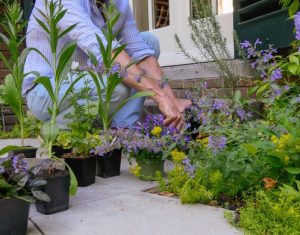
When it comes to issues like biodiversity, climate adaptation and quality of life, perennials have proven their value for use in public green space. To be effective, it is important to consider the placement and functions of plantings when developing plans for a project. This process promotes harmony in the green infrastructure and maximises the effect of perennials year after year.
Siting
To get the most out of perennials, the first step is to determine the locations for the plantings. Perennials enhance the quality of green space wherever they are planted but a careful consideration of locations will result in structure. Examples would include: enriching the visual appeal of buildings such as town halls and railway stations, city centres, roundabouts, beneath tree canopies, urban parks and arterial roads.
Determining functions
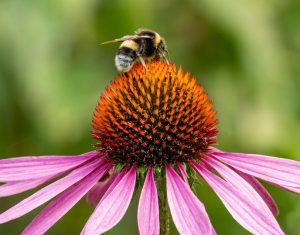
The second step in developing effective plantings using perennials is to determine their functions. If the aim is to increase biodiversity at this location, plants that produce nectar and pollen would be a good choice. When enhancing the quality of life is important, plants displaying flowers and providing visual appeal throughout the seasons would be recommended. For water management, plants with a large leaf area would be most functional.
Main concerns
- When creating plantings using perennials, it is important to select the right plant for a certain location. With so many varieties of perennials to choose from, however, finding the right one should never be a problem. Some perennials, for example, can even tolerate road salt.
- Create unity. Will plantings be developed for roundabouts? If so, include all roundabouts in the plan.
- Don’t forget maintenance either; many varieties require a minimum amount of maintenance while others require more.
- Ensure citizen support. Not everyone understands the natural process of how plants wither back above ground in the autumn.


Also interesting:
Perennials have ways of tolerating extreme weather
Perennials for planting in dry soils and beneath tree canopies