
Why perennials are essential
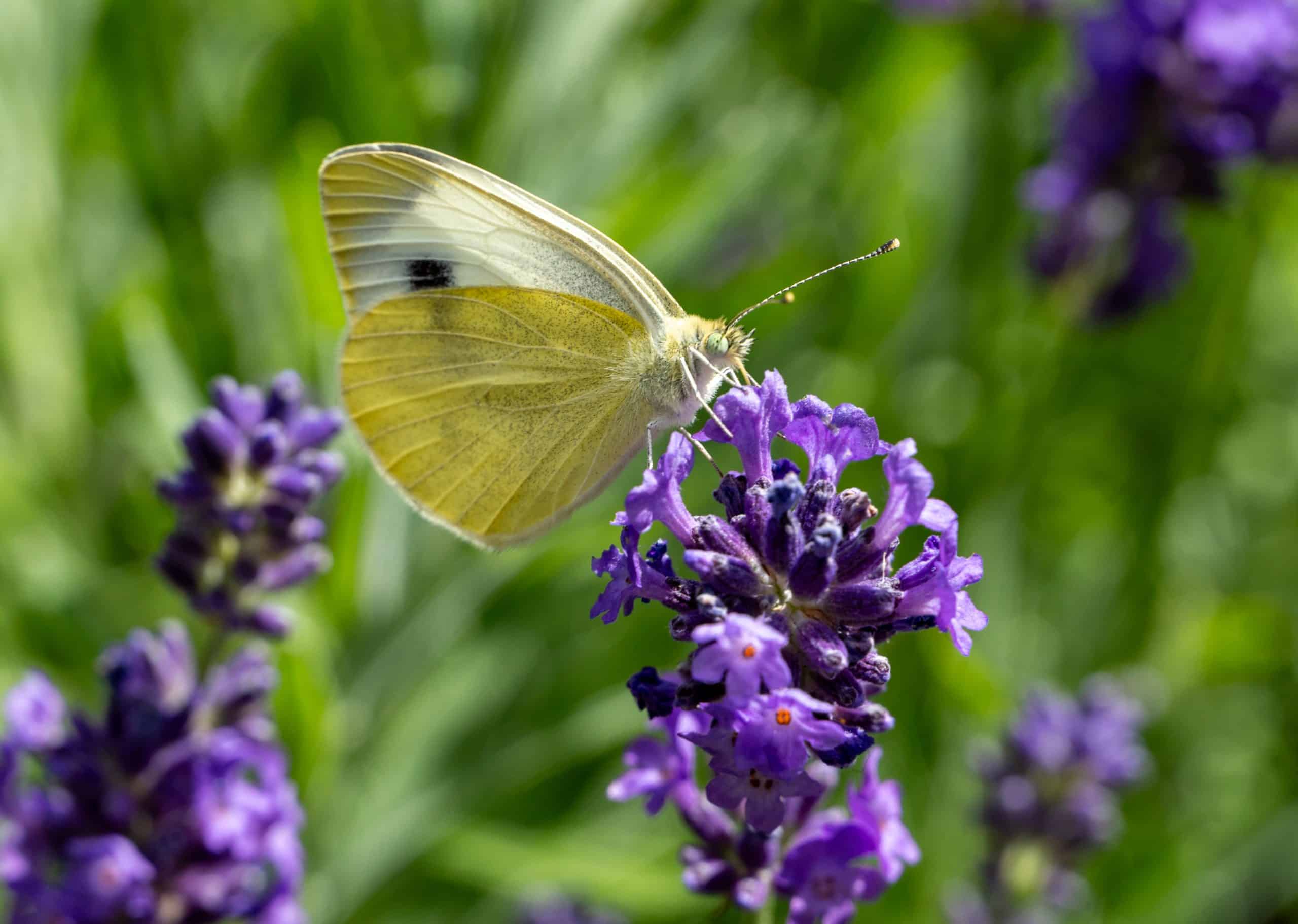
Perennials are more than just a beautiful addition to your garden. They form a sustainable foundation and return year after year. This not only saves you time and money but also supports biodiversity. Bees and other pollinators need flowers to survive. By choosing flowering perennials rich in nectar, you help nature – and enjoy a colourful garden.
Create a garden full of life
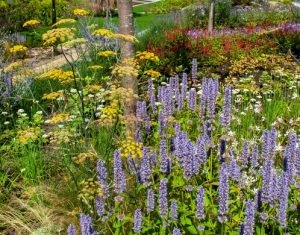
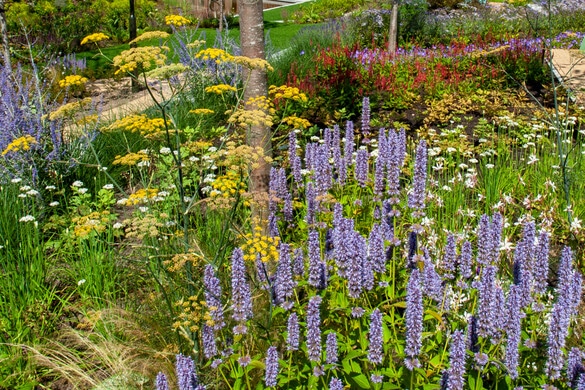
A varied planting scheme ensures a garden that blooms throughout the season. Combine early-flowering varieties such as sage (Salvia) and catmint (Nepeta) with summer bloomers like Persicaria, Origanum (marjoram) and Aster. These plants are not only colourful but also rich in nectar and irresistible to bees and butterflies. This way, you provide pollinators with continuous food and create a vibrant colour palette in your garden.
Top 14 perennials for bees
- Agastache (anise hyssop) – Fragrant flowers, long flowering period and irresistible to bees and butterflies.
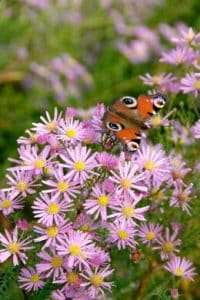
- Aster – Blooms late in the season and offers an important food source for bees and butterflies in late summer.
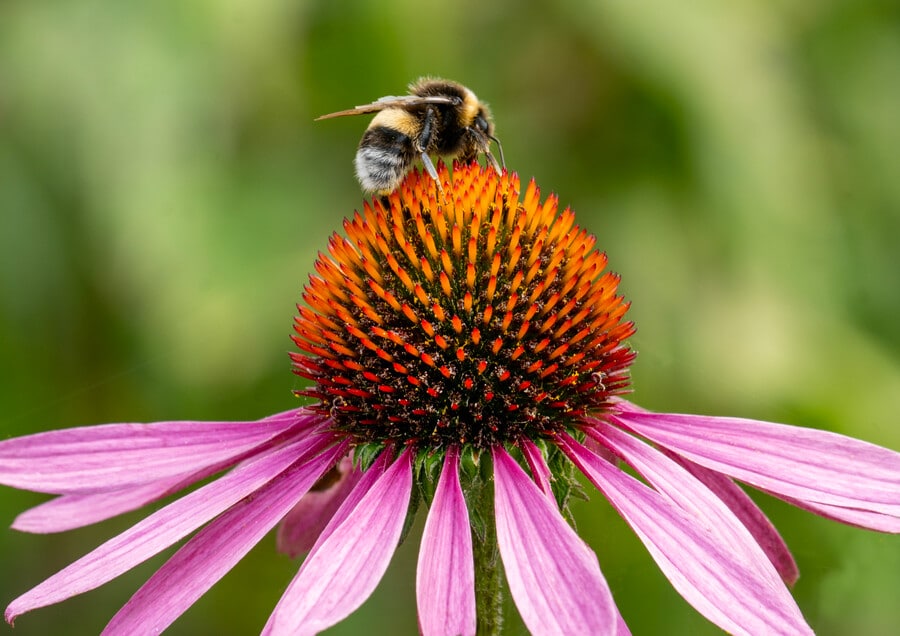
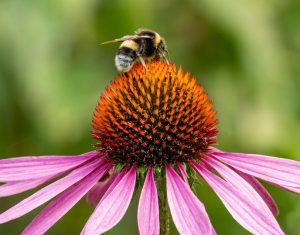
- Echinacea (coneflower) – A real eye-catcher that also attracts butterflies.
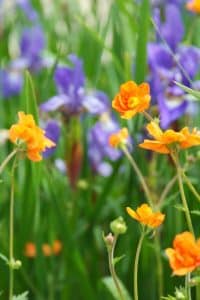
- Geum (avens) – Cheerful, colourful flowers that bloom for a long time and attract pollinators.
- Gillenia – Elegant, airy flowers that appeal to butterflies and create a natural look.
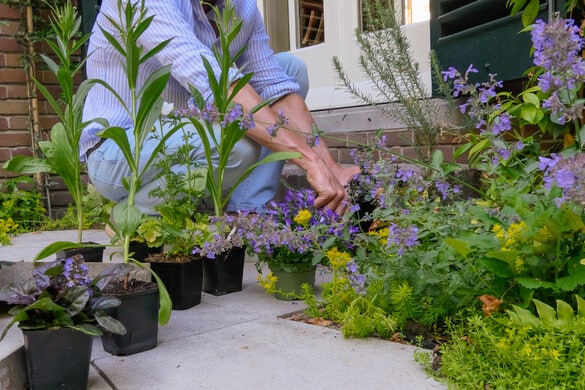
- Nepeta (catmint) – Strong, low-maintenance and loved by pollinators.
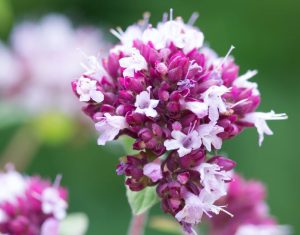
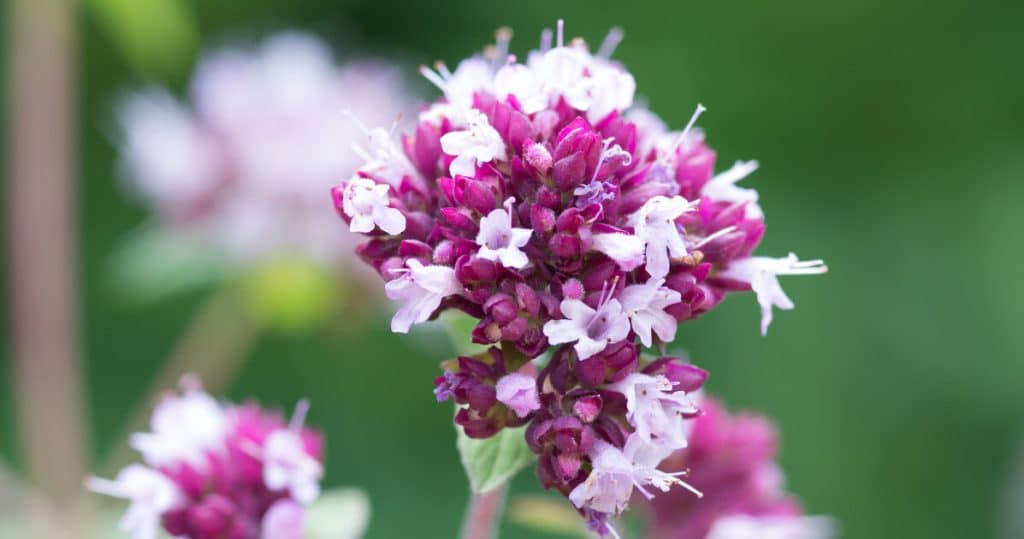
- Origanum (marjoram) – Aromatic plant with umbrella-shaped flower clusters full of nectar, a true insect magnet.
- Persicaria – Abundant flowering with numerous small flowers that provide nectar for bees and butterflies, ideal for a natural border.
- Salvia (sage) – Long flowering and loves the sun.
- Sanguisorba (burnet) – Airy blooms with small nectar-rich flowers that attract insects.
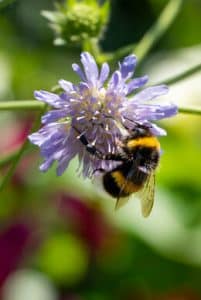
- Scabiosa (scabious) – Long flowering and a real bee favourite.
- Sedum (stonecrop) – Perfect for late summer flowering and insects.
- Veronica (speedwell) – Slender flower spikes full of nectar, loved by bees and butterflies.
- Veronicastrum – Tall, stately flower spikes that contain plenty of nectar and add vertical accents to the garden.
Tips for a bee-friendly garden
- Choose variety: Combine plants with different flowering periods.
- No pesticides: Protect bees by avoiding chemicals.
- Create shelter: Leave a corner of your garden a little wild.
- Water matters: A shallow dish of water helps bees drink.
Sustainable and stylish
With perennials, you make your garden not only more beautiful but also future-proof. They require little maintenance, are climate-friendly and bring life to your outdoor space. The buzzing of bees and fluttering of butterflies create a sense of peace and connection with nature.
Start today
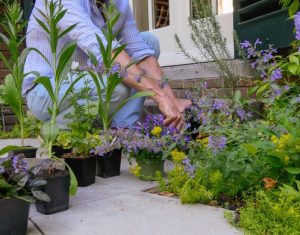
Begin small: plant Agastache (anise hyssop) or a border with sage. Add something new each season and watch your garden transform into a blooming oasis. This way, you make yourself happy – and the bees too. A win-win for people and nature.