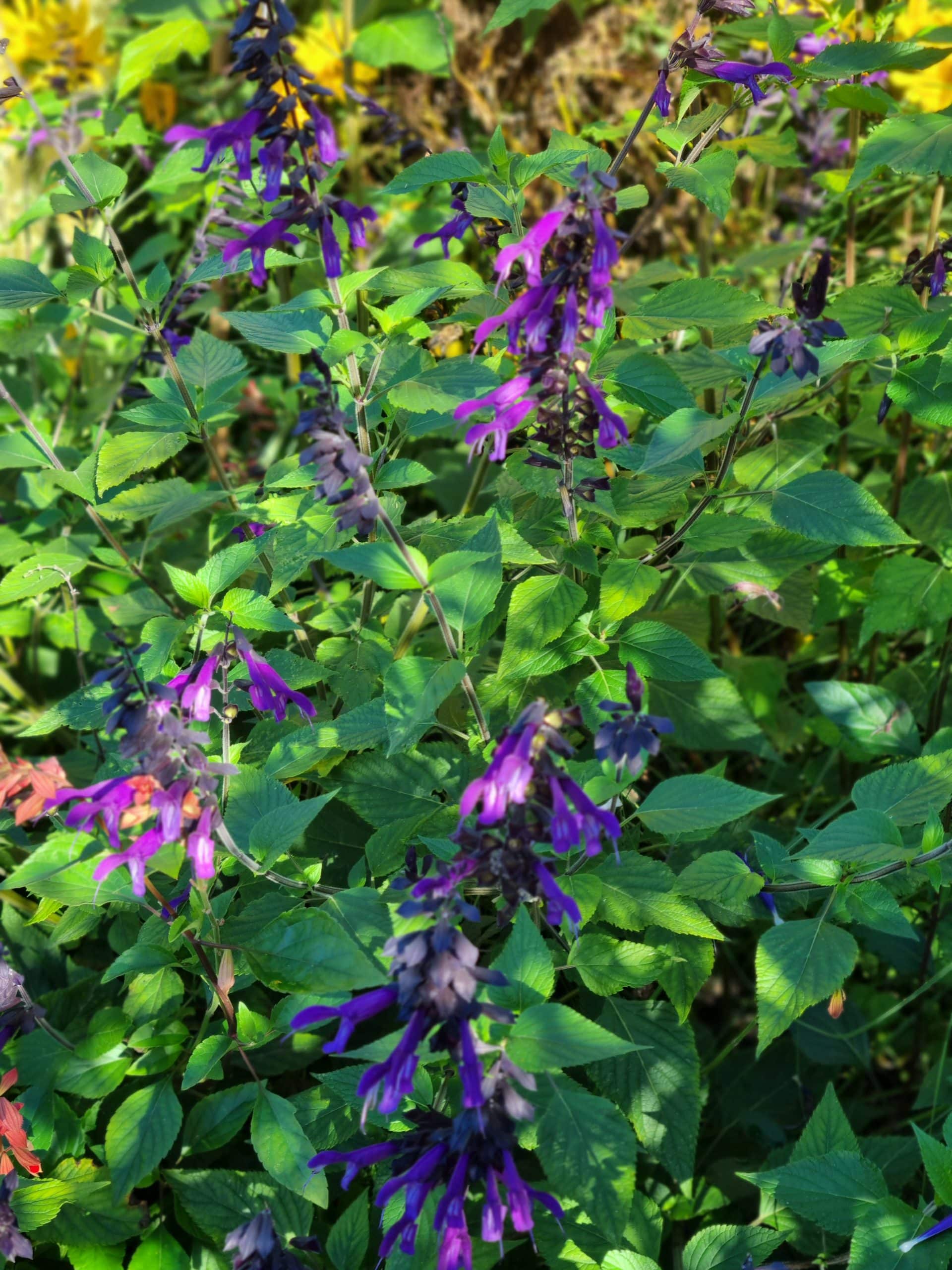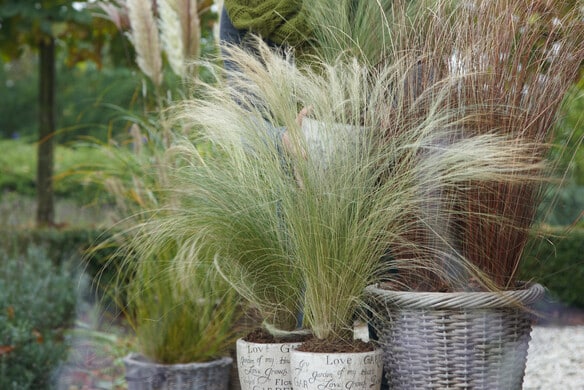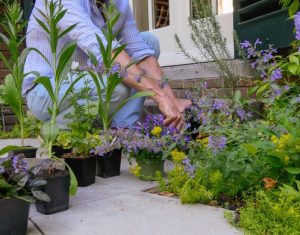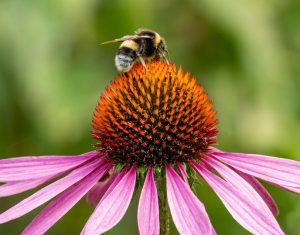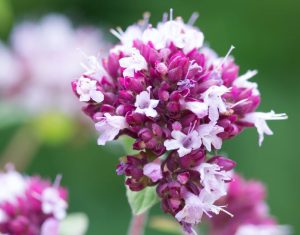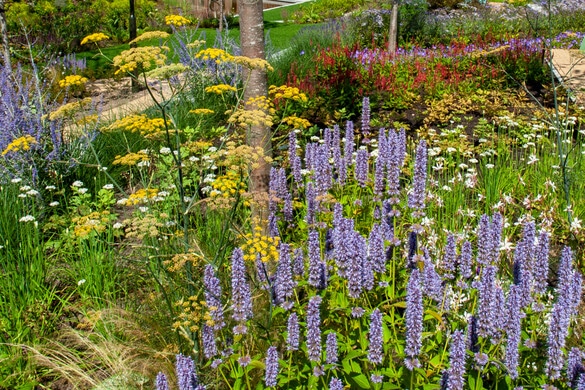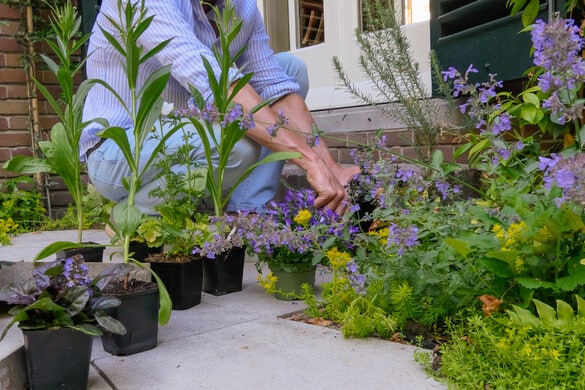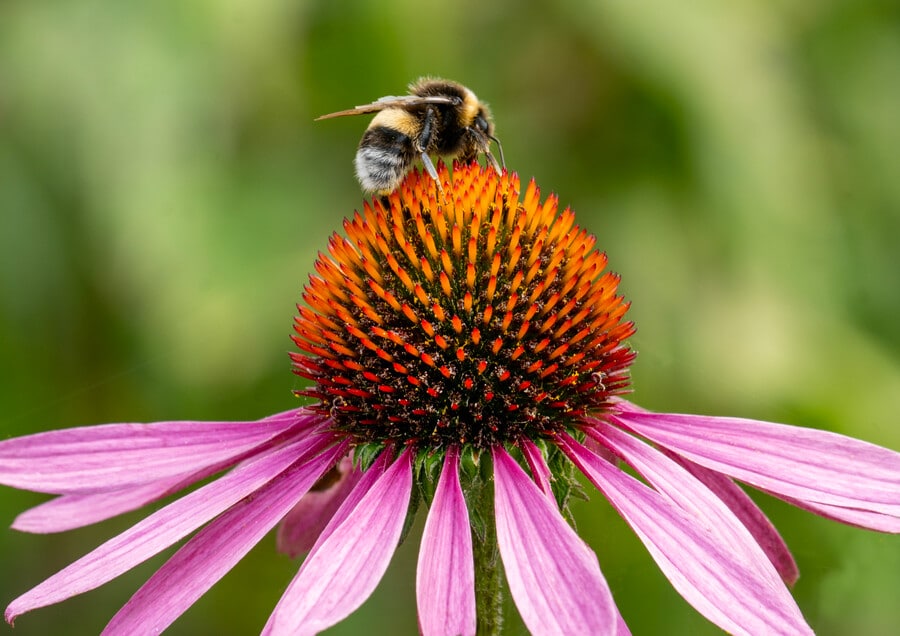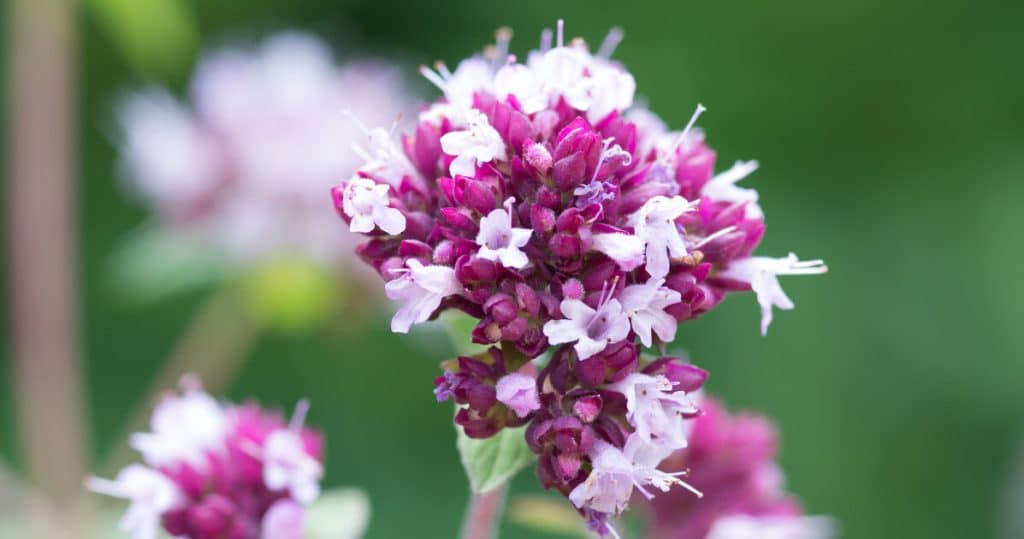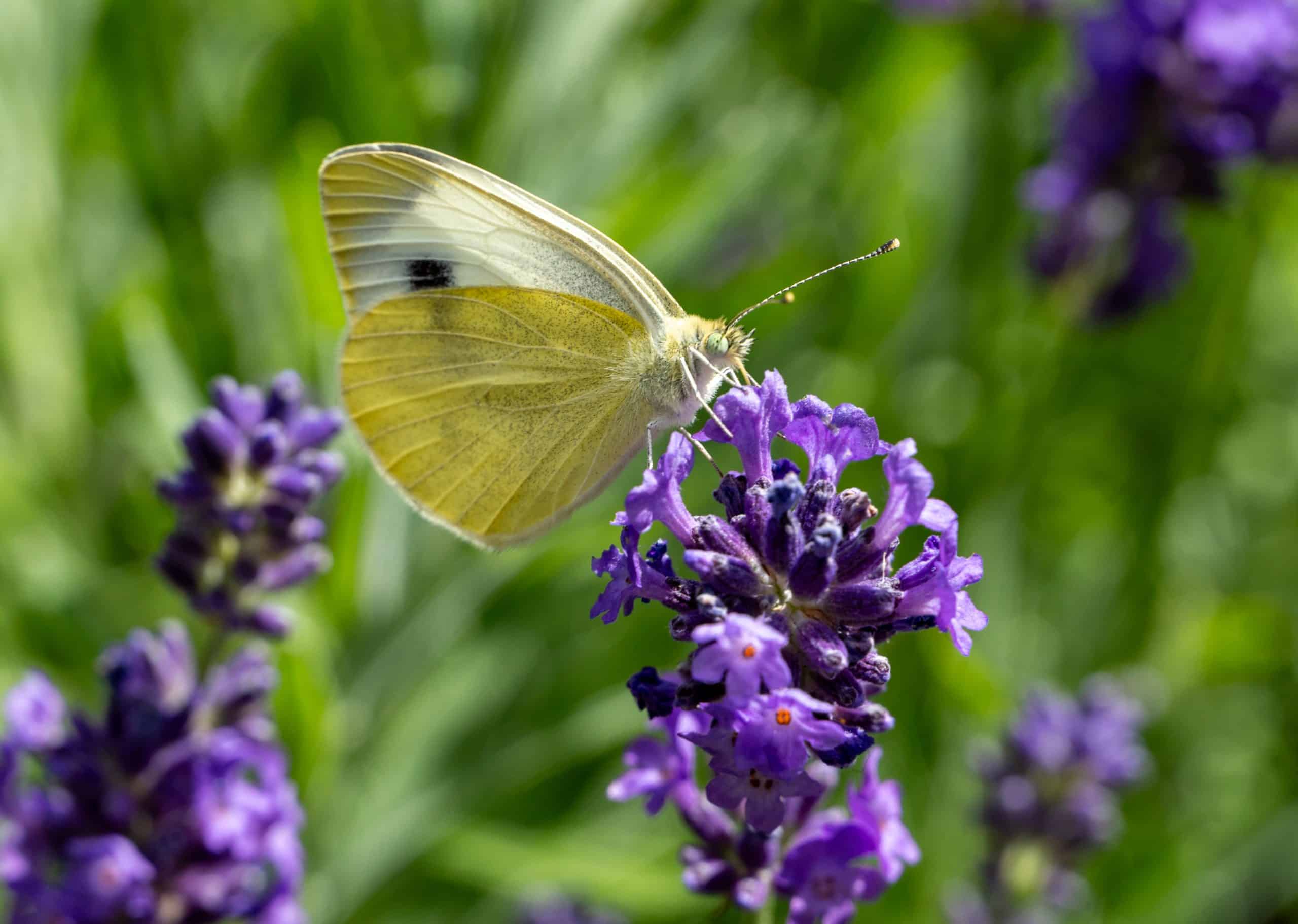

Wild and native plants are becoming increasingly popular. They give your borders a natural look – attractive not only to you, but also to birds and insects. A natural garden is a lively garden.
Regionally rooted
Wild plants are species that grow spontaneously, without being planted or managed by humans. Native plants are species that naturally occur in a specific region and have adapted to local conditions over thousands of years. Native always means regionally rooted.
Mixing
Because native plants have been present in an area for so long, they have developed relationships with local insects and animals. Some native plants are even exclusive host plants for certain insect species that lay their eggs only on that specific species. Increasing research shows that many cultivated plants also offer nectar, pollen, seeds, and shelter for birds and insects. In addition, many cultivated plants flower later in the season than wild species. So feel free to mix them — this way you can enjoy colour and life in your garden all year round.
Tips
- Look around in your area to see which wild plants grow there; chances are they will thrive in your garden because they are perfectly at home.
- Mix flowering plants throughout your borders to create the look of a wildflower meadow.
- Pay attention to the planting location — many native species prefer sunny spots, but some thrive in (partial) shade.
- Choose plants that provide both flowering diversity and seeds for birds, such as teasel (Dipsacus fullonum) or globe thistle (Echinops ritro).
- Water well after planting.
- Let nature take its course — and be surprised.