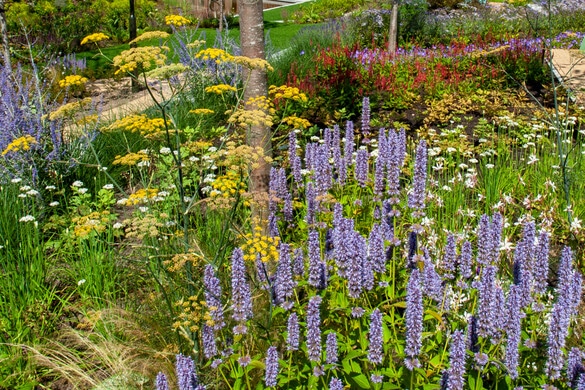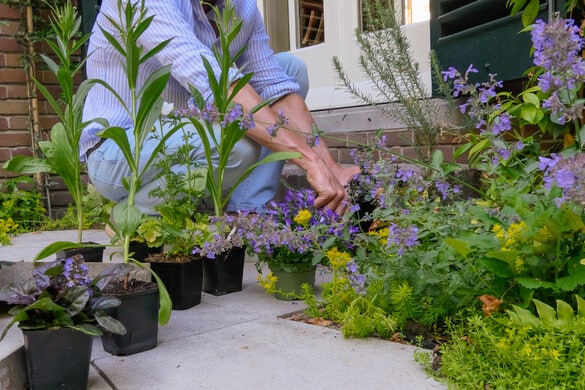

If your garden is increasingly losing colour in the run-up to autumn, you need long-flowering perennials. These plants start flowering in summer, and will continue to do so well into autumn. It’s the best way to enjoy your garden!
Even more flowers
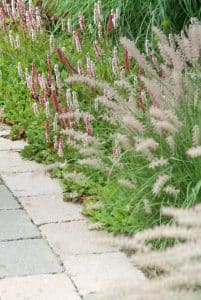
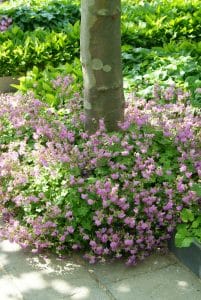
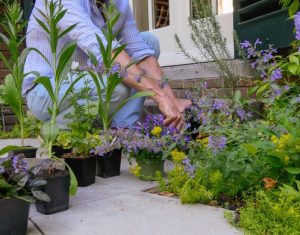
So, exactly which plants will work so tirelessly? Cranesbill (Geranium) is one of the many long-flowering perennials. Beeblossoms (Gaura; available in a variety of colours) and knotweed (Persicaria) are also widely used for their long flowering periods. Want even more flowers? You can always find a spot for Mexican fleabane (Erigeron karvinskianus). The white-pink flowers of this ground cover plant are very easy to combine.
Bees & butterflies
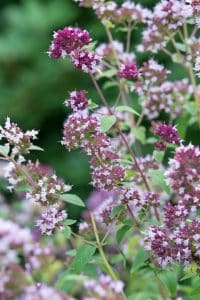
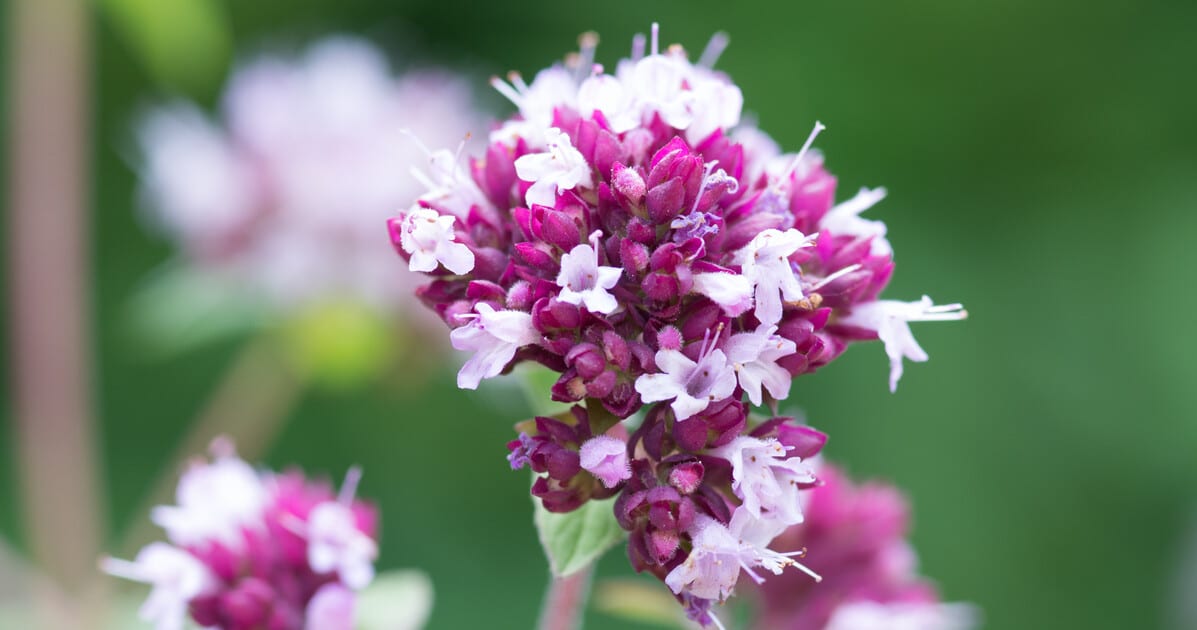
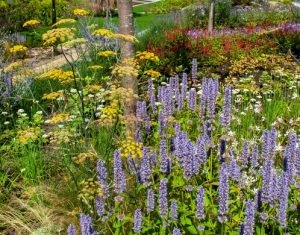
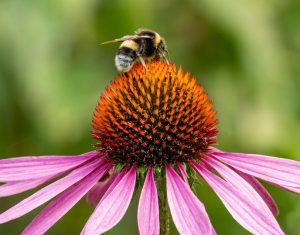
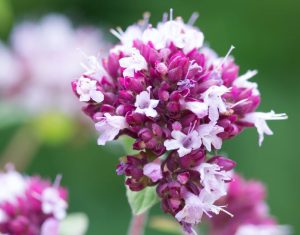
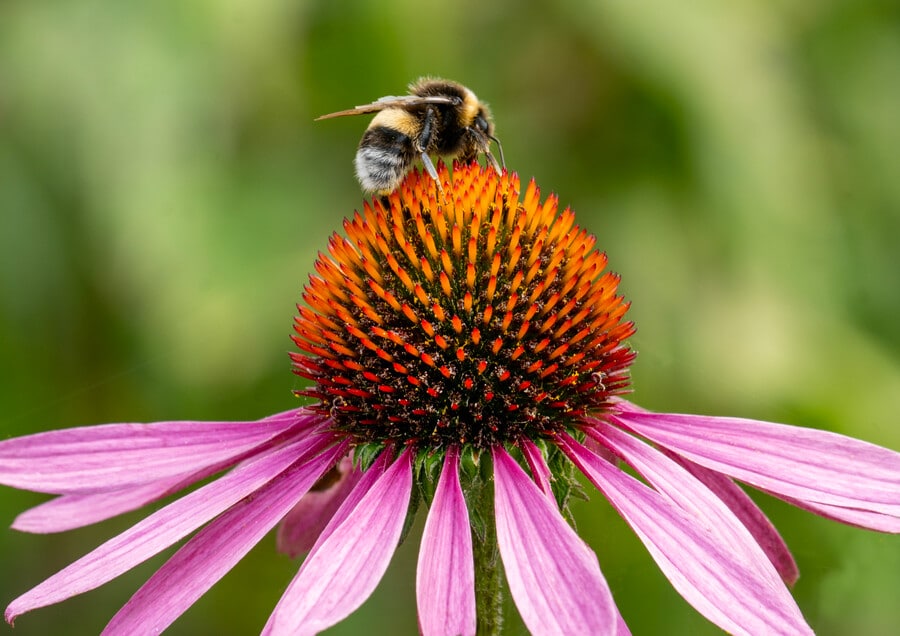
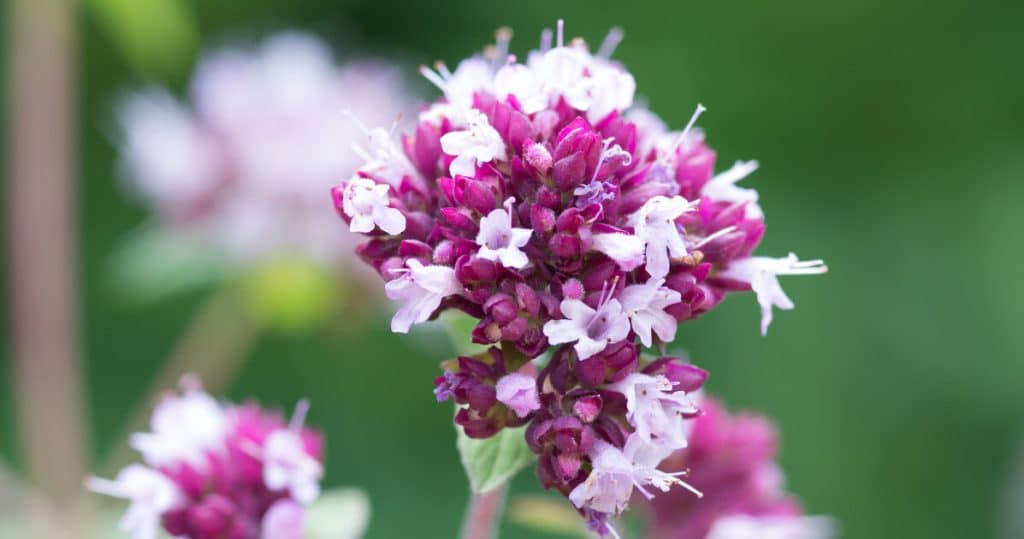
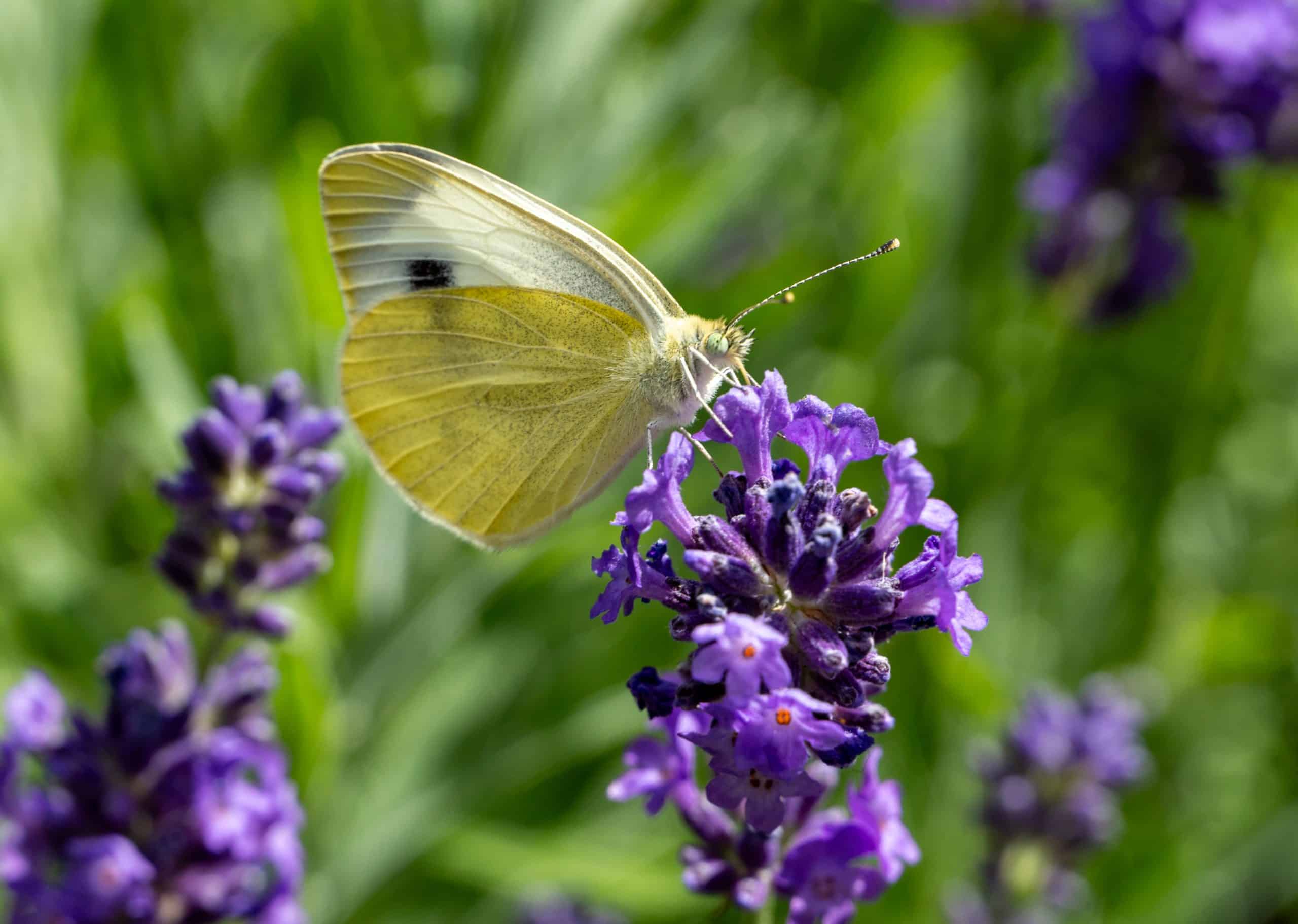
Long-flowering plants are more than just a colourful addition to your garden. The flowers are also an important food source for bees, butterflies and other useful insects. With a mix of long-flowering plants, there will be plenty of nectar to go around for these important insects in summer, late summer and autumn. Choose sage (Salvia), wild marjoram (Origanum vulgare) or lesser calamint (Calamintha nepeta), for example.
Just leave them where they are
When frost makes its first appearance, even long-flowering perennials will finish flowering at some point. Just leave them where they are, because they still have a little trick up their sleeves. Covered with a layer of hoar frost, perennials are as pretty as a picture; especially tall-rising umbellifers such as vervain (Verbena). You can cut them back in spring to make way for the first fresh spring greenery, and then in summer the first flowers will already appear.
Tips & facts:
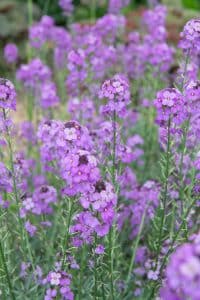
- Some evergreen plants also continue flowering into autumn, such as wallflower (Erysimum ‘Bowles Mauve’): it starts with a sea of lilac flowers (until autumn), and then goes evergreen!
- Combine long-flowering plants with ornamental grasses, which show off their best side in autumn.
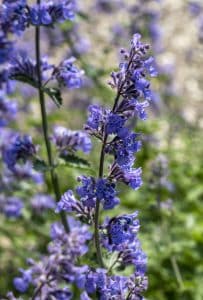
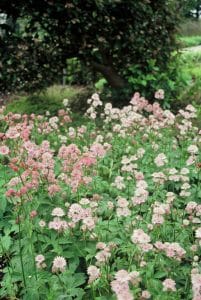
- Many perennials can be cut back after the first flowering (in May or June). They will then flower again in late summer. For example, catmint (Nepeta), Geranium cinereum and Astrantia.