
Practical plant choices for every spot in the garden
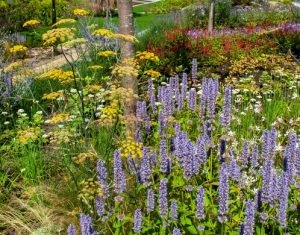
Perennials are more popular than ever. Not only because they return year after year, but also because they are strong, versatile and surprisingly easy to care for. With their long flowering season, robust growth and natural contribution to biodiversity, perennials form the foundation of a beautiful, sustainable garden.
Whatever type of garden you have, you can find practical planting ideas for every outdoor space. From sun to shade, from low maintenance to extra biodiversity, and even for balconies.
Why choose perennials
Perennials are the backbone of a strong, sustainable garden. They come back every year, often more beautiful and fuller than the year before, and give your garden structure, colour and life. While they overwinter underground, they store energy so that they can sprout fresh, strong and vigorous in spring. In this way, perennials help you build a garden that is reliable, lively and easy to look after, season after season.
What makes perennials so appealing:
- Long flowering: many varieties bloom for weeks to months, keeping your garden attractive for a long time.
- Strong growth: once they have rooted well, perennials are surprisingly resilient and continue to grow year in, year out.
- Easy care: plant them, let them root and give them an occasional trim. Often that is all a perennial needs to shine.
- Sustainable and future proof: they last for many years and contribute to a healthy, living garden that can adapt to a changing climate.
Perennials for a shade garden
Shady spots are ideal for leafy, atmospheric borders. Unlike sunny areas, a shade garden is less about exuberant flowers and more about structure, leaf texture, contrasts in shape and calm planting. Plants that grow well without full sun create a lush, green base, from fresh spring flowers to characterful summer foliage.
A shade garden looks its best when you combine different leaf shapes (round, pointed, heart shaped), leaf textures (glossy, matte, ribbed, striking veining) and subtle colour differences ranging from fresh green to deep bronze. This gives even the darkest corners depth, variation and an attractive look all year round.
Recommended for shade
- Hosta (plantain lily): beautiful foliage plants with a strong structure in shade.
- Geranium macrorrhizum (bigroot geranium): strong, fast closing ground cover for shady areas.
- Astilbe (false goat’s beard): airy plumes that bring colour to darker spots.
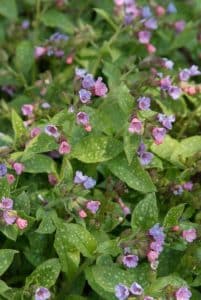
- Pulmonaria (lungwort): early flowering perennial with decorative foliage for cool shade.
- Pachyphragma macrophyllum (pachyphragma): early flowering shade plant with fresh green leaves.
- Brunnera (Caucasian forget‑me‑not): strong foliage plant with bright silver or fresh green leaves.
- Cimicifuga / Actaea (bugbane): elegant, tall plant with fine flower spikes for partial to full shade.
- Epimedium (barrenwort): reliable, often evergreen ground cover for dry shade.
- Gillenia trifoliata (bowman’s root): airy plant with fine flowers in light shade.
- Ligularia ‘Treasure Island’ (ragwort): large leaves and strong structure for shady borders.
- Phlomis (Jerusalem sage): robust plant that retains its leaves and shape even in shade.
- Rodgersia (rodgersia): impressive foliage plant for cool, moist, shady spots.
- Tricyrtis (toad lily): distinctive late summer bloomer with playfully speckled flowers that thrives in shade.
Practical tips for a beautiful shade garden
- Think in leaf structures: combine large leaved plants (Rodgersia, Hosta) with finer foliage (Gillenia, Brunnera) for calmness and depth.
- Plant in groups: repeating the same plant gives a calm, luxurious effect and coherence.
- Vary in green tones: use light green, silver green or variegated foliage to visually brighten dark places.
- Mind moisture: many shade plants like humus rich, slightly moist soil. Add compost for an airy structure.
- Cool, dry shade: choose drought tolerant species such as Epimedium and Geranium macrorrhizum.
- Seasonal layering: add spring flowering plants (Pachyphragma, Pulmonaria), let them flow into summer foliage (Hosta, Rodgersia) and finish with late flowering species (Tricyrtis).
- Play with height: combining taller plants with low ground covers creates a layered, calm structure that gives shady borders more depth and interest.
Perennials for a sunny garden
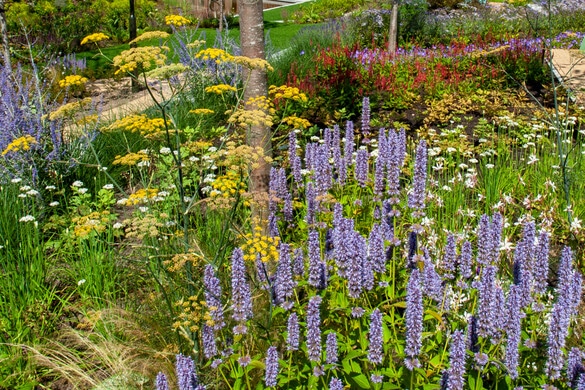
Sunny gardens offer plenty of possibilities. Sun loving perennials grow vigorously here, flower abundantly and create a colourful scene from spring to well into autumn. Strong species that cope well with heat and dry periods, combined with variation in height and flowering time, form a lively, low maintenance garden that looks attractive all season.
Recommended for sun
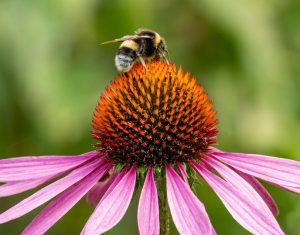
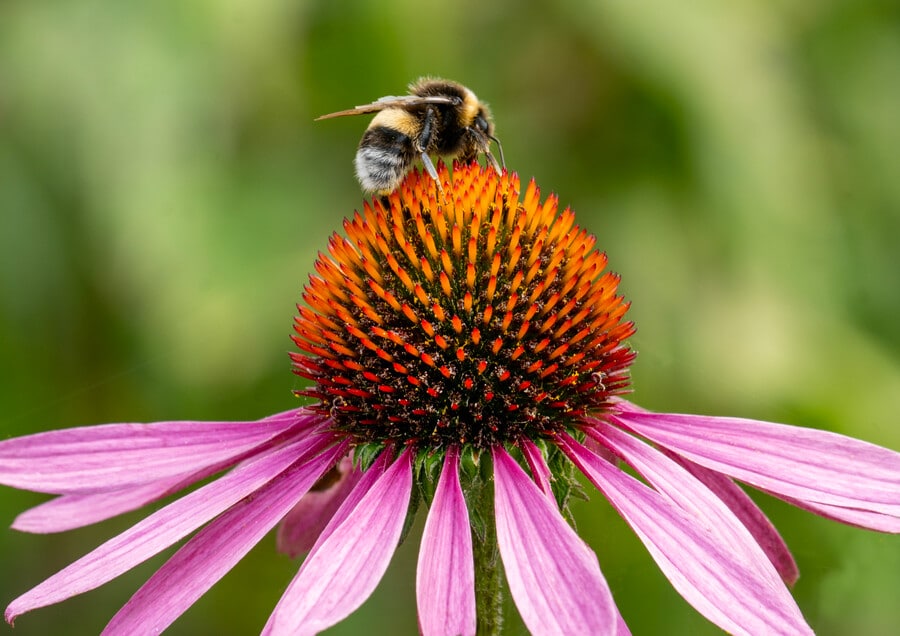
- Echinacea (coneflower): long flowering and attractive to butterflies and bees.
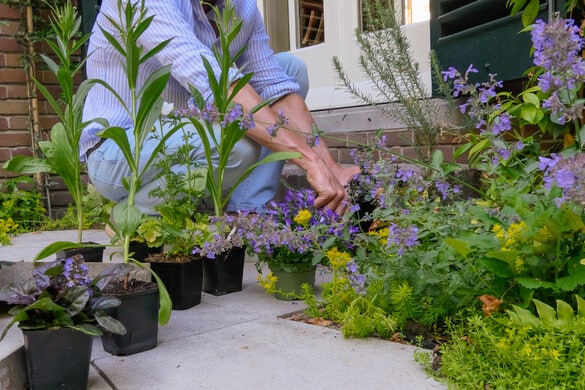
- Nepeta (catmint): strong grower that flowers for a long time.
- Sedum (stonecrop): sturdy perennial that still looks good in dry periods.
- Salvia (sage): rich flowering, aromatic and loved by insects.
- Crocosmia (montbretia): warm coloured summer bloomer with graceful, upright spikes.
- Eupatorium (thoroughwort): strong, tall plant with generous flower clusters in sunny borders.
- Geum (avens): compact, richly flowering plant that provides long lasting colour in sun.
- Heliopsis (false sunflower): reliable summer bloomer with sturdy stems and modern colour tones.
- Phlox: fragrant, richly flowering summer favourite that thrives in the sun.
- Veronica (speedwell): slim flower spikes that add a fresh, vertical touch in sunny gardens.
- Veronicastrum (culver’s root): stately plant with tall, elegant flower spikes that add structure and height in sunny borders.
Practical tips for a strong sunny border
- Choose drought tolerant species: sunny spots dry out quickly; plants with strong roots and fleshy leaves perform better.
- Work with layers: combine low front plants with medium and tall perennials for a dynamic, full border.
- Pay attention to leaf structure: variety in leaf shape and texture balances abundant flowering.
- Use warm colours: yellow, orange, red and purple look especially good in bright sunlight.
- Give young plants extra care: new plants in sunny gardens need a few weeks of extra watering to root well.
- Think about flowering time: choose species that follow one another so the border stays attractive for months.
Perennials for a biodiverse garden
A biodiverse garden is full of movement: fluttering butterflies, buzzing bees and rich soil life. Perennials play a key role by offering nectar, pollen, shelter and varied structures throughout the season. By combining species that flower from early spring to late autumn, you create a garden that is both beautiful and a powerful food source and habitat for countless insects.
Recommended for biodiversity
- Verbena bonariensis (tall verbena): airy and very attractive to butterflies.
- Achillea (yarrow): strong, colourful and rich in nectar.
- Geranium species (cranesbill): long flowering and highly valuable for insects.
- Aster: flowers late in the season when insects need extra food.
- Alstroemeria ‘Indian Summer’ (Peruvian lily): long flowering and loved by bees for its nectar rich flowers.
- Astrantia (masterwort): fine pincushion flowers full of pollen and nectar for bees and hoverflies.
- Baptisia (false indigo): strong flowering, tolerant of varying temperatures and valuable as a structural plant that attracts bees.
- Kniphofia (red hot poker): striking torch like flowers full of nectar that draw bumblebees, bees and sometimes butterflies.
- Salvia ‘Purple Spring’ (sage): rich spring flowering with nectar filled spikes that attract many bees.
- Sanguisorba (burnet): airy, dancing flower spikes that attract insects and add natural movement to the border.
- Silphium: sunny prairie plant with a long flowering period and lemon yellow flowers that provide a long lasting food source for bees.
- Thalictrum (meadow rue): transparent clouds of flowers with pollen rich stamens, perfect for bees and hoverflies.
Practical tips for a biodiverse garden
- Ensure a long flowering season: choose plants that follow each other from April to October.
- Mix flower shapes: umbels, plumes, spikes and round flower heads attract different insect species.
- Leave faded stems standing: they provide winter structure and places for insects to overwinter.
- Add foliage plants: hiding places are just as important as food sources.
- Avoid pesticides: this keeps beneficial insects safe and active.
Perennials for a low maintenance garden
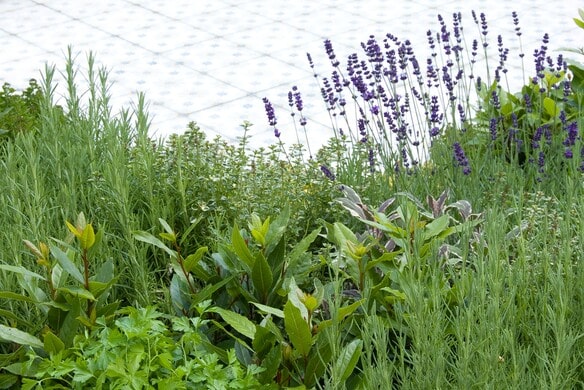
A low maintenance garden is all about smart choices: plants that cope well on their own, need little water, cover the soil quickly and return reliably for years. By choosing strong, robust perennials, you create a garden that looks neat and well kept with minimal effort. Structural plants, evergreen species and long flowering perennials form the ideal basis for a garden that remains attractive throughout the season without much work.
Recommended for easy care
- Epimedium (barrenwort): evergreen, strong and suitable for shade.
- Geranium ‘Azure Rush’ (cranesbill): extremely long flowering and needs little care.
- Hakonechloa (Japanese forest grass): graceful, low maintenance ornamental grass.
- Heuchera (coral bells): colourful foliage, decorative all year round.
- Stachys (lamb’s ear): soft grey green leaves, strong and drought tolerant.
- Phlomis (Jerusalem sage): evergreen silhouette, little maintenance and a strong structural plant.
- Rudbeckia (coneflower): long flowering, insect friendly and very reliable.
- Achillea (yarrow): loves sun, drought tolerant and long flowering.
- Persicaria (knotweed): easily adapts to different conditions, strong and long flowering.
- Sedum (stonecrop): extremely strong, drought resistant and attractive to pollinators.
- Echinacea (coneflower): robust, long flowering and a magnet for bees.
- Luzula (wood rush): evergreen, strong and ideal for shaded, low maintenance spots.
Practical tips for a garden with little work
- Plant closely together: a full border suppresses weeds and looks tidy straight away.
- Choose structural plants: perennials with strong shapes give the garden calm and remain attractive for longer.
- Use evergreens: the garden looks interesting in winter without extra maintenance.
- Choose perennials that come back by themselves: they rejuvenate and grow stronger each year.
- Go for drought tolerant species: less watering and less risk of losses.
- Limit pruning: many low maintenance plants only need cutting back once a year.
Perennials for balcony and terrace
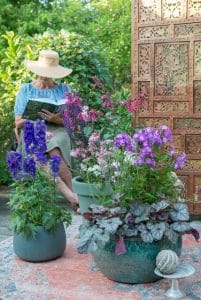
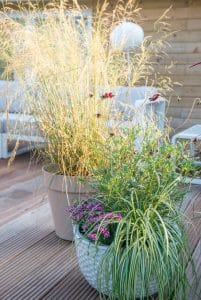
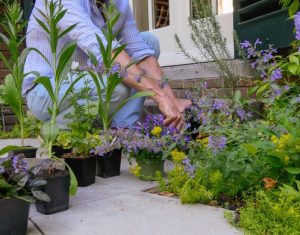
On balconies and terraces, pots are the key to creating colour, atmosphere and structure. Because potting soil dries out faster and roots have less space, strong, compact and drought tolerant perennials are ideal. Choose species that perform well in warmth, wind and limited root space so you can enjoy rich, low maintenance planting all season.
Recommended for balcony and terrace
- Nepeta (catmint): long flowering, strongly scented and able to withstand a lot of drought.
- Agastache ‘Blackadder’ (hyssop): perfect for large pots, tolerates drought well and attracts bees.
- Andropogon ‘Blackhawks’ (prairie grass): grass that easily copes with heat and drought and colours beautifully in autumn.
- Coreopsis (tickseed): sun loving, long flowering and performs well even in dry conditions.
- Carex (sedge): evergreen ornamental grass, ideal for pots.
- Deschampsia (tufted hair grass): transparent ornamental grass, light and airy in containers.
- Phlox paniculata ‘Hesperis’: tall, richly flowering phlox that does well in pots.
- Campanula lactiflora ‘Loddon Anna’ (bellflower): elegant, tall bellflower that combines beautifully with other summer bloomers in pots.
- Hedychium hybride ‘Tara’ (ornamental ginger): impressive ginger suitable for large pots.
- Hakonechloa macra (Japanese forest grass): ornamental grass with elegant, arching growth, perfect for pots.
- Rosmarinus officinalis (rosemary): strong, heat and drought tolerant, excellent in containers.
- Digitalis (foxglove): compact varieties are very suitable for pots.
Practical tips for balcony and terrace
- Choose pots with enough volume: at least 10 litres for perennials, so that roots stay cool.
- Use water retaining potting compost: mix in compost or coir to prevent the soil drying out too quickly.
- Ensure good drainage: holes in the base and a layer of clay pebbles keep roots healthy.
- Combine different heights: grasses, flowering plants and foliage perennials together create a dynamic effect.
- Check the position: sun lovers such as Coreopsis, Agastache and rosemary perform best on warm, sunny terraces.
- Water less often but thoroughly: ensure the water penetrates the whole root ball to stimulate deep, strong root growth.
Discover more inspiration
With perennials, you can create a garden or balcony that will last for years, is incredibly strong and flowers richly. Whether you choose colour, calmness, biodiversity or ease of maintenance, there is always a planting plan that fits your wishes.
You might also find this interesting:
- Green is the new gold
- No garden is complete without perennial
- Create a stunning border with combinations of perennials