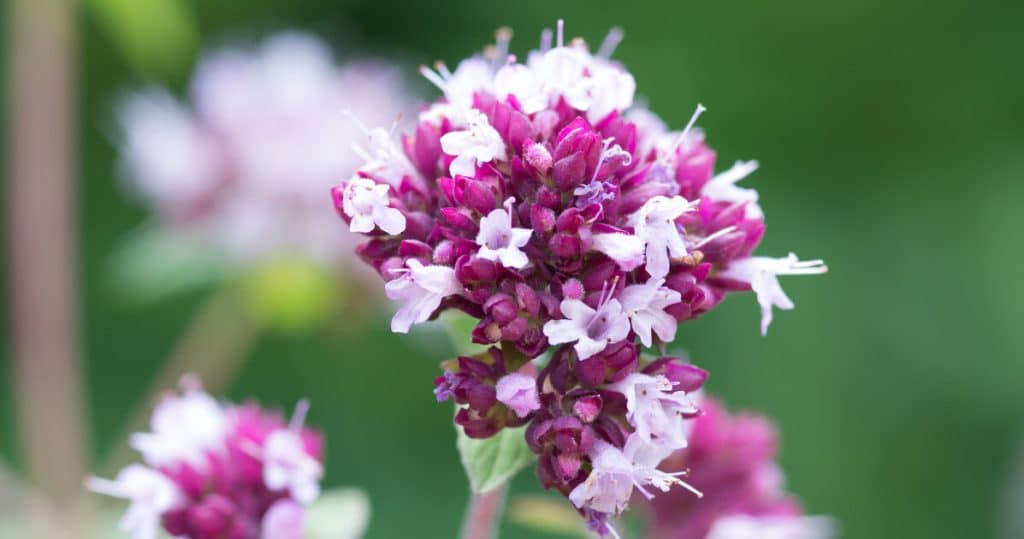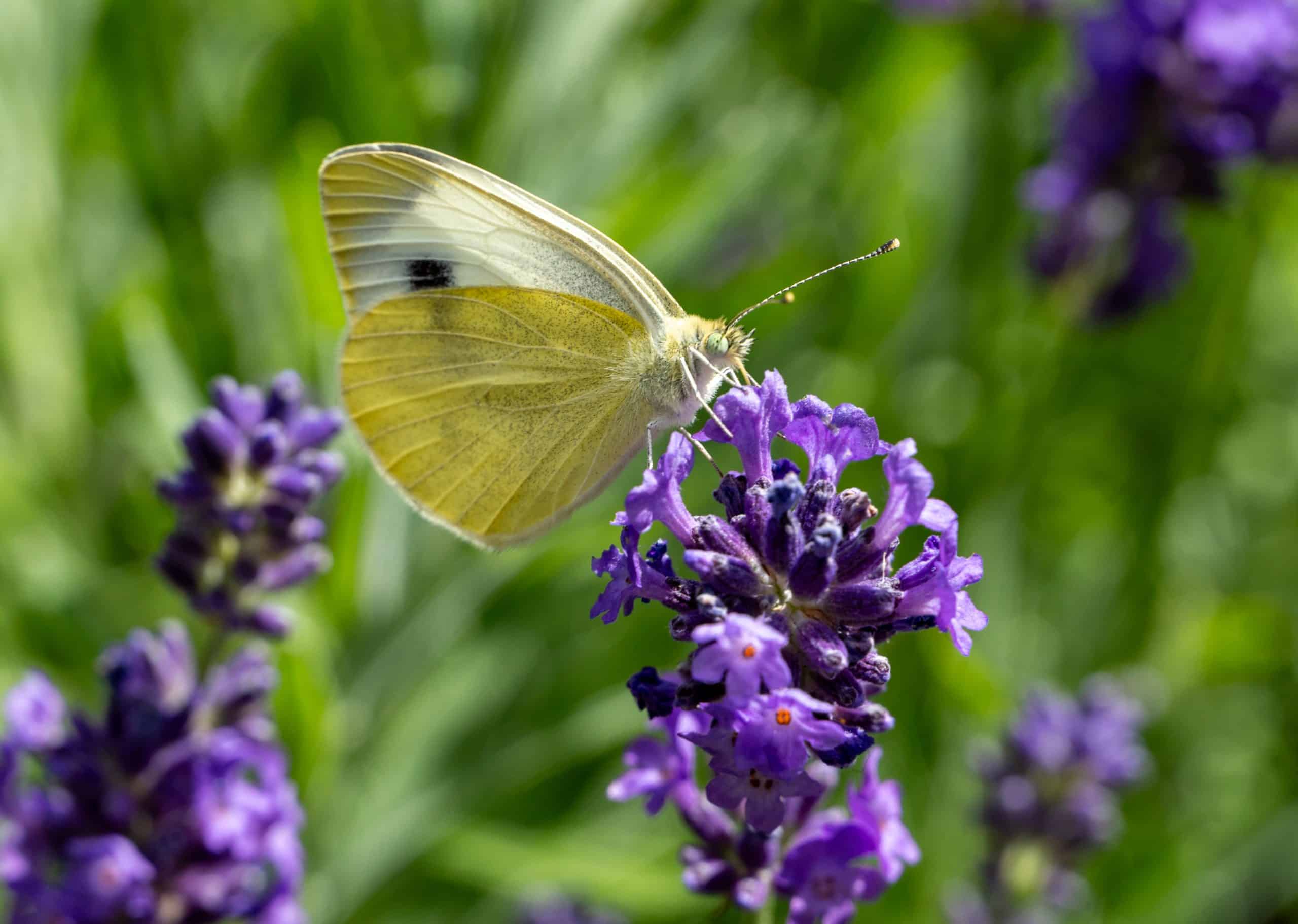

Perennials are indispensable for a lovely garden full of life. Consider them Mother Nature’s seasoning for gardens. And the great thing is that they return every year: stronger, bigger and even more beautiful!
What are perennials?
Perennials are hardy, herbaceous (non-woody) plants that return every year to bring your garden to life. They grow and bloom riotously from early spring onwards. This adds plenty of colour, fragrance and dynamism to your garden, think elegantly swaying ornamental grasses and butterflies flocking to the flowers. Most perennials die off above ground at the start of winter but in early spring, you’ll see the first fresh green shoots peeking out above the ground again. It’s always a great sight!
Tip! There are also evergreen perennials such as elephant’s ears (Bergenia), catsfoot (Antennaria), spurge (Euphorbia), sunrose (Helianthemum), dead-nettles (Lamium), lavender (Lavandula), lamb’s-ear (Stachys) and thyme (Thymus). These add a beautiful green accent to your winter garden.
Selecting perennials
With so many perennials, how do you choose? Initially, be guided by the location of your garden. For a shady garden, choose mainly shade-loving plants such as Caucasian penny-cress (Pachyphragma macrophyllum), cranesbill (Geranium cantabrigiense) and barrenwort (Epimedium). If your garden gets a lot of sun, opt for sun worshippers such as yarrow (Achillea), ornamental onion (Allium), bugbane (Cimicifuga), bonesets (Eupatorium), daylily (Hemerocallis) and burnet (Sanguisorba).
Tip! Cut back withered perennials in early spring instead of the autumn. Many perennials have beautiful winter silhouettes and insects can hibernate between the leaves and stems.
Bees & Butterflies
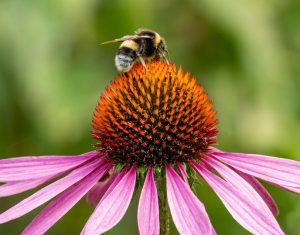
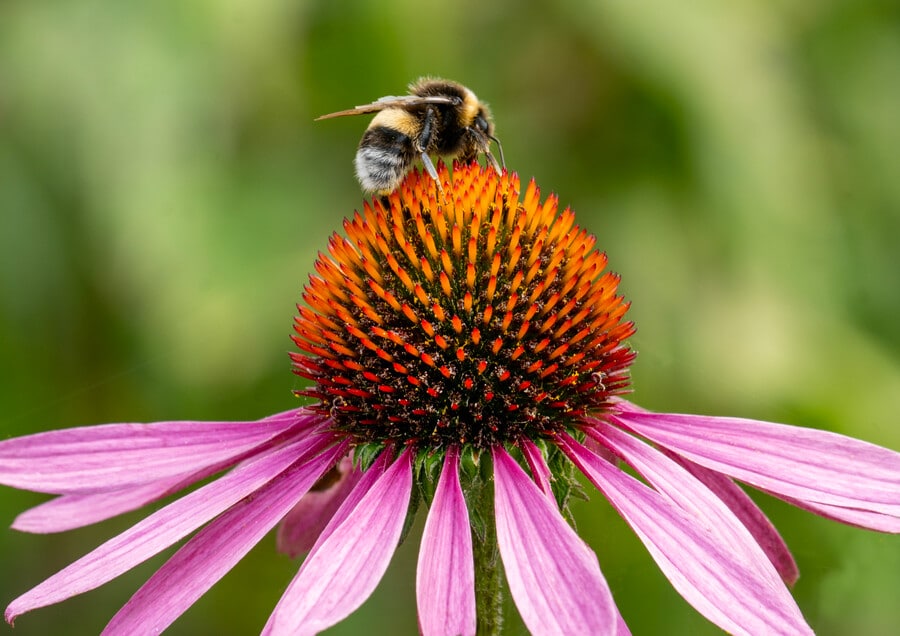
Combining perennials with different flowering times will make your garden even more attractive. Plant perennials such as lungwort (Pulmonaria), pasqueflower (Pulsatilla vulgaris), chrysanthemum (Chrysanthemum hybrids), masterwort (Astrantia), knotweed (Persicaria) and autumn aster (Aster) to ensure that your garden blooms from early spring until well into autumn. This also makes your garden irresistible to butterflies, bees and other beneficial insects.