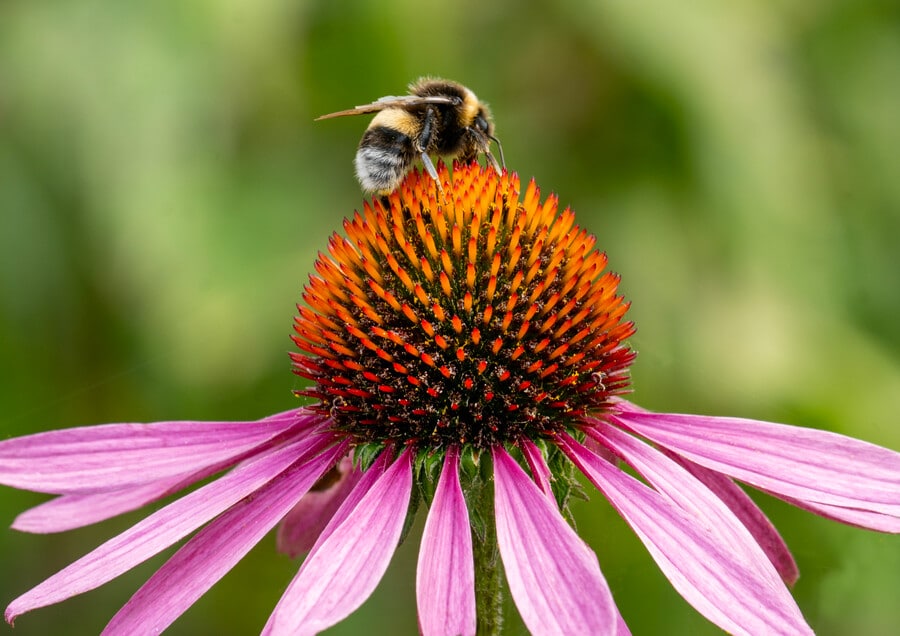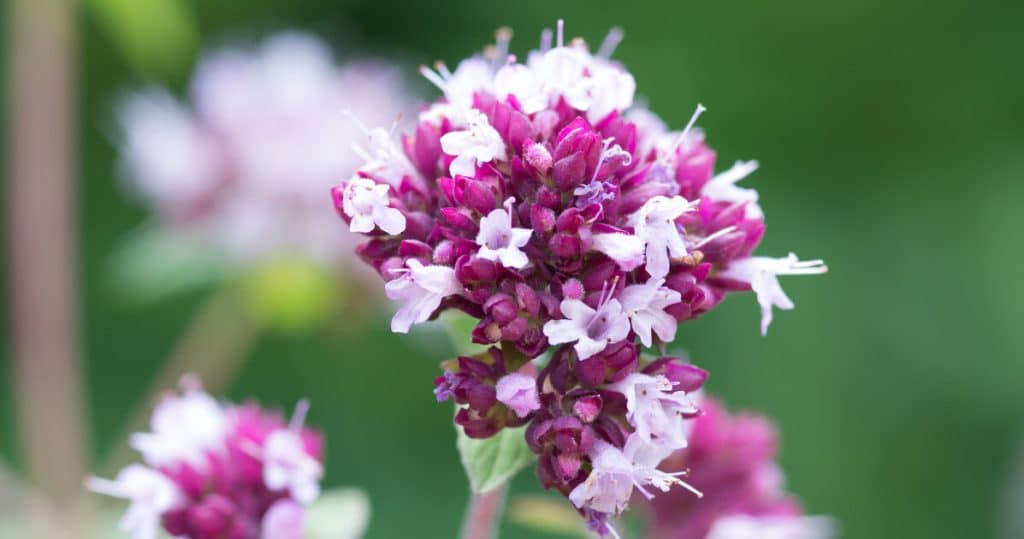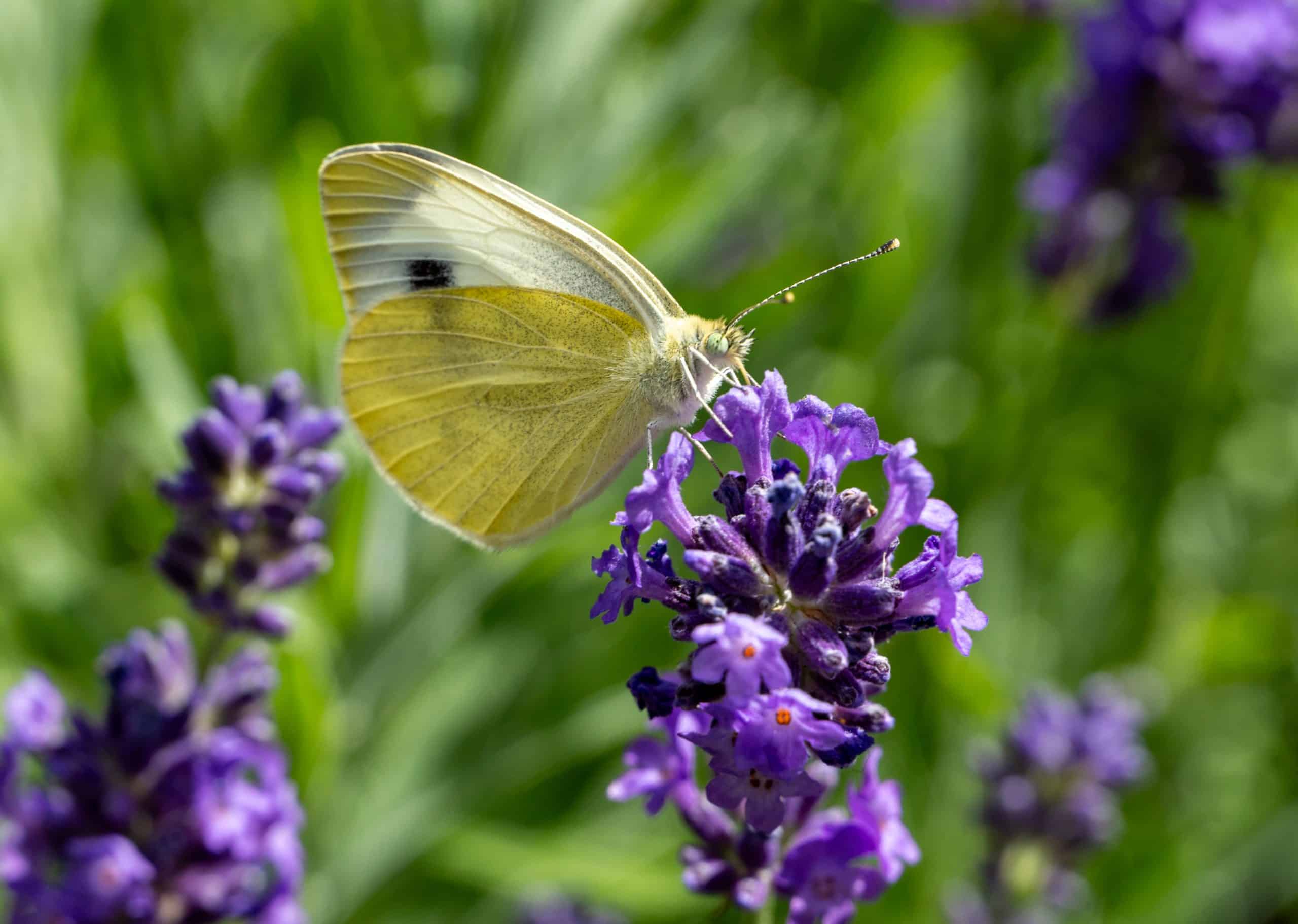

Catmint is an easy-going, extremely versatile perennial. The flowers of most varieties range from blue to purple, although pink and white varieties are also available. With their generous abundance of nectar, they attract bees and butterflies to your garden.
Flowers all summer long
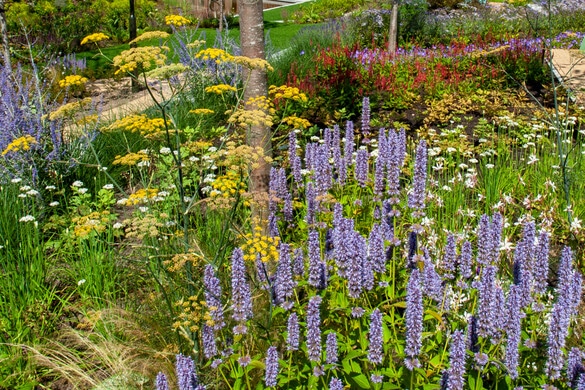
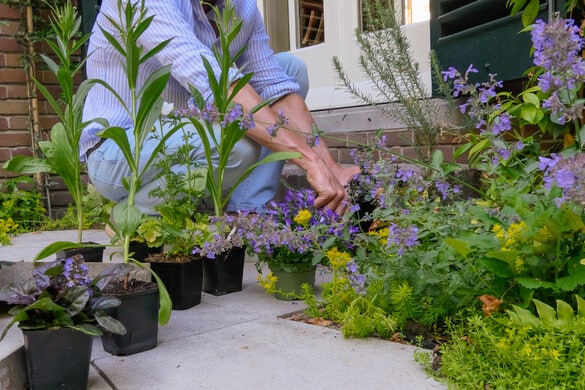
Catmint, Latin name Nepeta, works really well in borders. You could also turn it into a nice edge planting, for example in combination with boxwood or spindle tree (Euonymus ‘Green Spire’ = buxus substitute) and Japanese holly (Ilex crenata). Catmint also thrives in pots. It will flower all summer long. Bumblebees and other wild bees will visit the flowers and butterflies also like to snack on the nectar. There are more than 250 different catmint varieties.
A selection of the varieties
- Nepeta x faassenii (garden catmint): the best-known variety, with lavender-blue flowers and compact growth. Trim this variety hand-high after flowering, and a new flowering period will follow after about six weeks.
- Nepeta govaniana (yellow catmint): this unusual variety prefers a humid spot in the shade. Light-yellow flowers.
- Nepeta kubanica: a variety with a sturdy growth habit and violet-blue flowers.
- Nepeta sibirica (Siberian catmint): purple-blue flowers and loose growth habit.
About the name
Catmint gets its name from the fact that most cats adore this plant. This is due to nepetalactone, a substance found in the leaves of many varieties. Some cats love it so much that they start rolling around in the plant, as if madly in love. The dried leaves of the plant are sometimes added to cat toys.
Practical tips
- Remove wilted flowers, so as to encourage new flowering.
- Plant catmint in a well drained location that provides either sun or partial shade.
- Prune high-growing varieties in May, and cut the plant back by half if you want more compact growth.
- Trim the plants back slightly after flowering to encourage a second flowering.
- Prune catmint back only after winter. The dead plant parts above the soil are a good hiding place for ladybirds, among others.
- Trim the dead leaves and stems and turn these into a mulch layer on the ground.
Interesting facts
Catmint is native to Europe, Asia and Africa and belongs to the lipped flower family. It is very resistant to heat and drought, especially varieties with silver-grey leaves. The flowers look lovely in a mixed garden bouquet; you can also dry them.