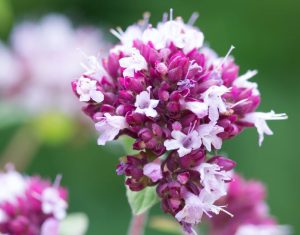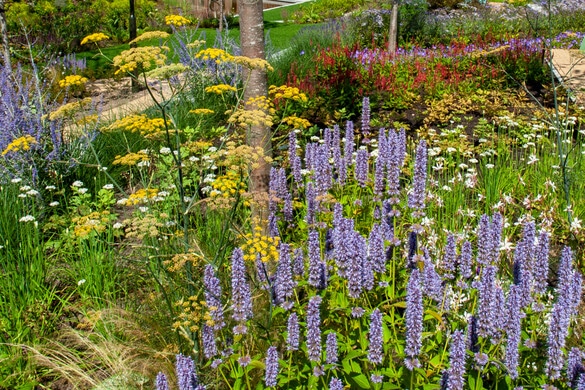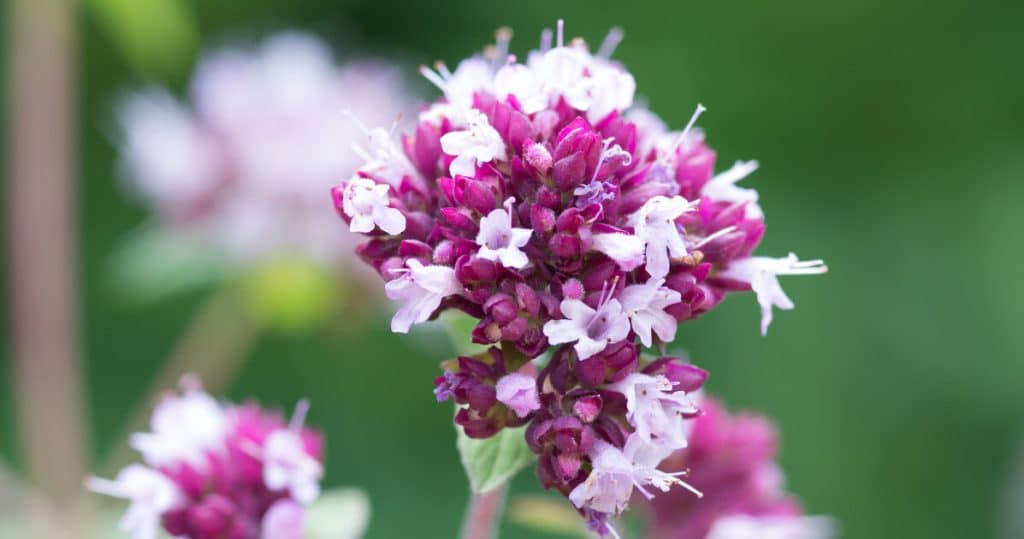
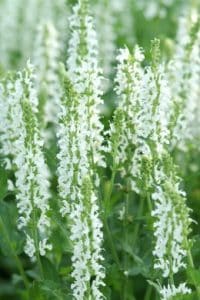
With its variety of colours, Salvia is a real asset to your garden. This plant holds up well in dry periods and will flower endlessly. The flowers and the leaves are both fragrant.

Lipped flowers

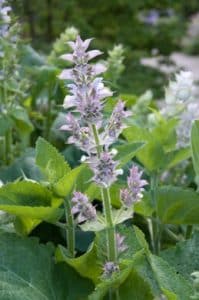
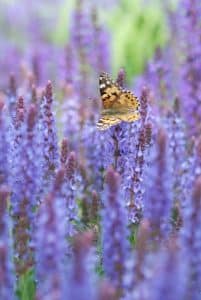
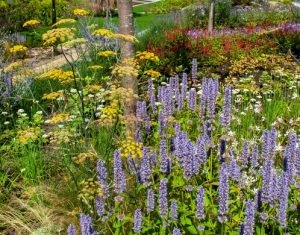
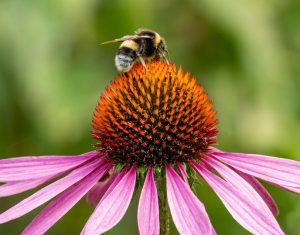
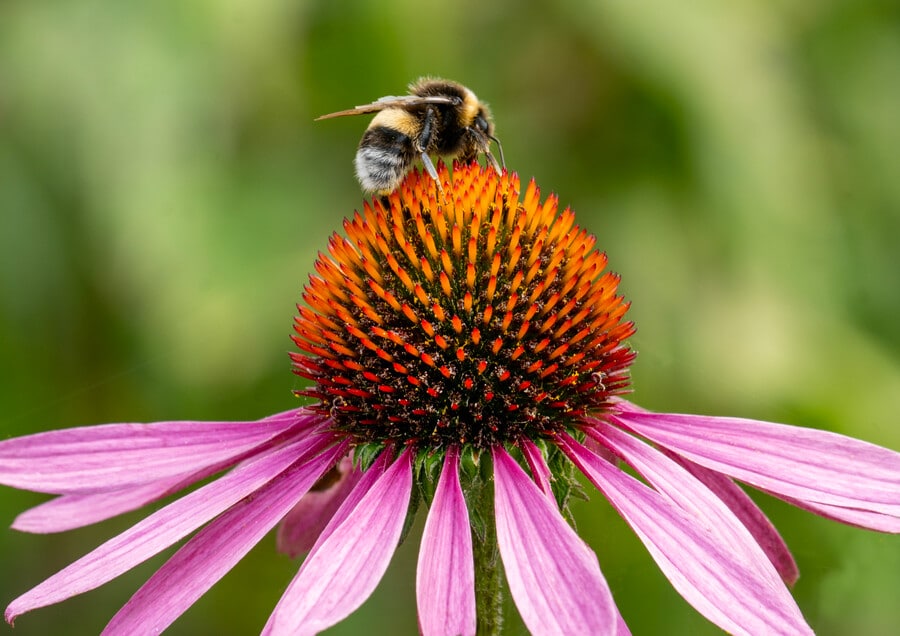
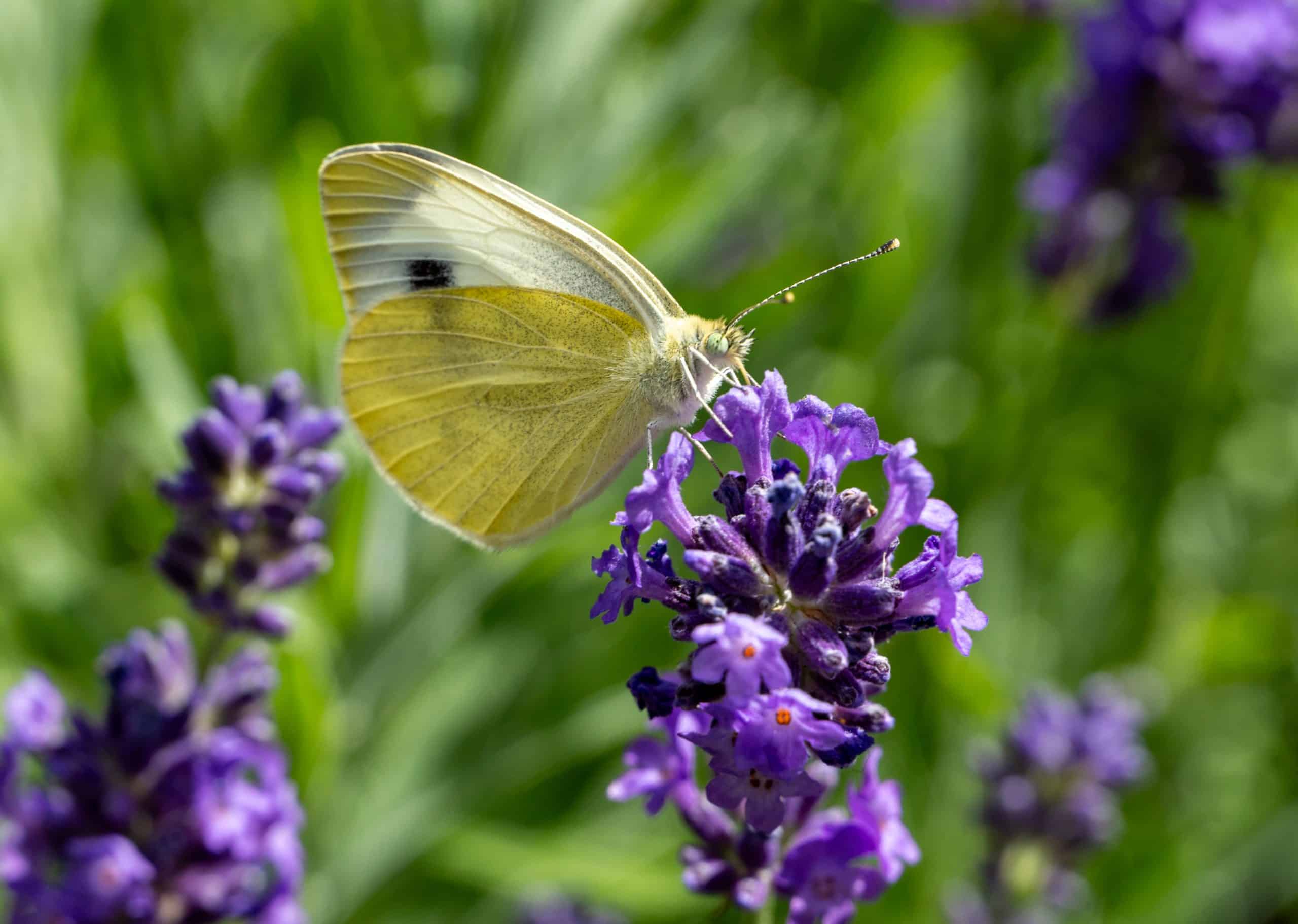
Bees and butterflies love to treat themselves to the nectar in the flowers. The flower shape clearly indicates that Salvia belongs to the lipped flower family. The English name for Salvia is sage. Salvia nemorosa, also known as woodland sage, is best known for its many varieties and mostly purplish-blue flowers. There are also many other varieties, however, with flowers in all the colours of the rainbow. Growth heights vary, but they have their unusual square stems in common. The stems of Salvia pratensis (meadow sage) are dark in colour. Its violet-blue flowers make for a beautiful contrast against this.

Salvia varieties

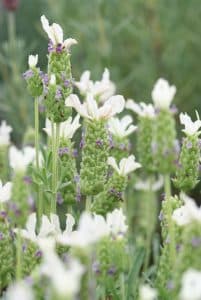
Most varieties are hardy. But be careful: some varieties are less hardy. Salvia uliginosa (bog sage, which thrives on dry soil, as it happens), for example, can only tolerate frost up to a maximum of -10°C. In areas with harsh winters, it is best to protect these plants with a mulch layer of organic material, such as leaves, hay or prunings. This Salvia showcases its azure-blue flowers from August through October and can grow as tall as 1.5 metres. Salvia microphylla ‘Hot Lips’, with its cute red and white coloured flowers and tiny leaves, is also moderately hardy. Salvia greggi will flower from June until the first frost and is available in a whopping 20 different colours.

Colour in autumn

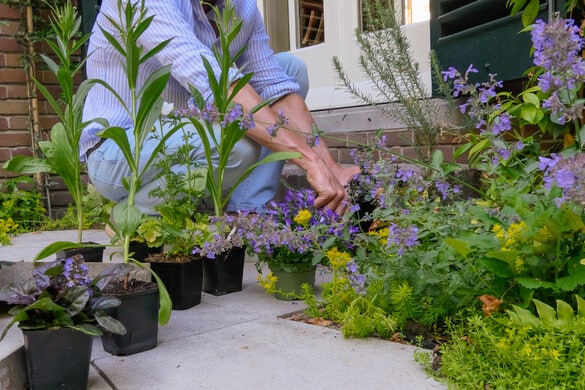
Give Salvia a sunny, sheltered spot with well-drained soil. You could combine different Salvia varieties or combine one variety with other perennials. In summer, around June, you can prune Salvia right below its top. After a few weeks, you will be rewarded with a second flowering, so there will be plenty of colour in autumn. Do not prune back the entire plant until after winter, to encourage new shoots to grow from the bottom.

Interesting fact

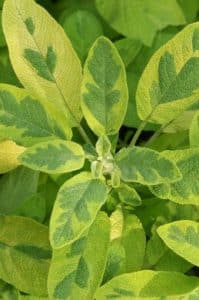
Salvia’s name is derived from the Latin word salvus, meaning healthy. The name relates to the medicinal properties of Salvia officinalis (common sage).
Close up Salvia wit Close up Salvia Close up Salvia paars

Salvia with butterfly paars Salvia

IV224884-MR-Echinacea-Pink-Biodiversity

Save the bees with flowering perennials

Perennials are not only beautiful, they are also essential for biodiversity. Discover why these plants attract bees and butterflies and how you can transform your ...
Lees meer
Perennials 2015

Wild and native plants give your garden a natural look

Wild and native plants are becoming increasingly popular. They give your borders a natural look – attractive not only to you, but also to birds ...
Lees meer

Make your garden green and healthy with perennials:

Tips for a sustainable and stress-Free outdoor space Would you like a garden or balcony that’s not only beautiful, but also gives back to you ...
Lees meer

Foxglove (Digitalis)

Want to transform your garden into a magical place full of colour and charm? Discover everything about foxglove (Digitalis): from care tips to creative combinations. ...
Lees meer
Digitalis mertonensis

Foxglove (Digitalis): The showstopper for a colourful garden

Want to transform your garden into a magical place full of colour and charm? Discover everything about foxglove (Digitalis): from care tips to creative combinations. ...
Lees meer
Perennials 2015

Perfect Combinations for Your Dream Garden

Want a garden that looks stunning all season long? The secret lies in clever combinations of perennials. These green heroes bring colour, atmosphere and life ...
Lees meer

PlantTalk

Discover everything about Perennials

Bring your garden to life

PlantTalk by category

Growth

Sustainable

Growth

Healthy

Watch & grow

With Lodewijk Hoekstra

Well-known from television and a familiar face in the world of gardening, Lodewijk Hoekstra demonstrates what makes perennials so special in these videos. From clever combinations to sustainable tips for your garden or balcony, everything is covered. Be inspired, learn more, and discover how you too can live greener, every day.

Scroll to Top