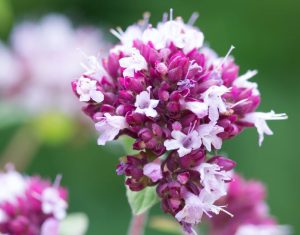
Perennials make an important contribution to the quality of our living environment. They introduce diversity and colour into public green spaces, are not overly demanding, and are inexpensive to maintain.
Plants are good for us
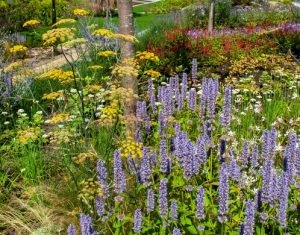
Perennials in public green spaces have a beneficial effect on our habitat. They provide attractive locations for both visitors and local residents. What’s more, they’re good for our well-being, the climate and biodiversity. They can be used in almost any situation such as parks, verges, roundabouts, raised planting beds and beneath tree canopies — anywhere that requires a beautiful as well as long-lived planting. Perennials even make public spaces more attractive during the winter.
Maintenance-friendly
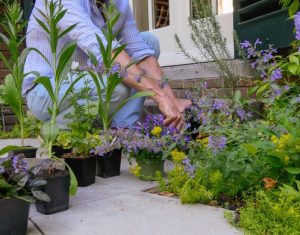
These plants are known as ‘herbaceous perennials’; their roots survive the winter and send up shoots again in the spring. They are sold in cultivation pots from which they are removed and planted. After that, they can remain undisturbed in the same location for years. Tucked away beneath the soil surface, they have no problems with cold winter temperatures and emerge in the spring as even larger, more vital plants. Propagation occurs by means sending out either underground or above-ground runners. In this way, a border fills in nicely and minimises weed growth.
Low maintenance costs
These wonderful plants can be enjoyed year after year without the need for buying new plants or extensive maintenance. Perennials can be used in many different ways in public green spaces depending on the location. Making the right choice of plants and preparing the planting site are important for getting the most out of perennials. Although the costs related to using perennials are relatively high during the first year, upkeep expenses are modest over the long run.
The right varieties
Perennials can thrive at any site. It’s just a matter of matching the perennial to the site. Good choices for public green spaces include:
- Plantain Lily (Hosta)
- Stonecrop (Sedum ‘Herbstfreude’)
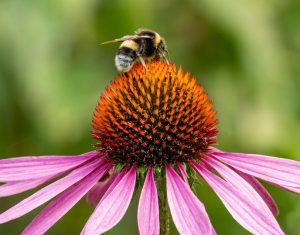
- Black-eyed Susan (Rudbeckia)
- Lady’s Mantle (Alchemilla)
- Japanese Anemone (Anemone)
- Japanese Aster (Kalimeris)
- Knotweed (Persicaria)
- Catnip (Nepeta).
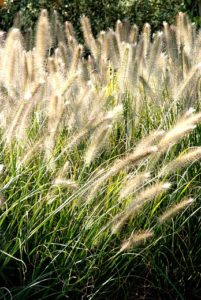
Long-lived ornamental grasses include:
- Fountain Grass (Pennisetum)
- Sedge (Carex)
- Silvergrass (Miscanthus)
- Moor Grass (Molinia)
Planting plan
Perennials can be combined in countless different ways. Landscaping professionals would be pleased to help you choose the right varieties and make up a planting plan.