
Pruning perennials gives them light and space. Early spring is the time to do this; think of it as giving your perennials a spring cleaning. But don’t worry: it’s as easy as pie.
A helping hand
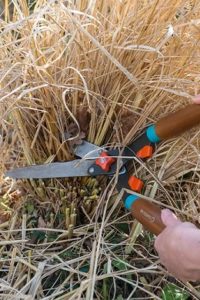
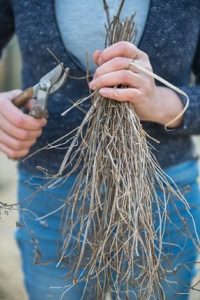
Pruning is nothing more than getting rid of last season’s dead stems and leaves. Some plants have already lost them and they’re lying on the ground. Others, such as Barrenwort (Epimedium) and Hardy Jerusalem Sage (Phlomis) will need a helping hand. Use pruning shears or a hedge trimmer to trim dead stems and leaves down to just above the ground.
Pruning rules
Choosing the right time to prune is important when pruning perennials. Leave the foliage undisturbed in autumn; this will protect the plant from bad weather in winter. The best time to prune starts in March. Just be sure that it’s not going to freeze. Also be careful not to damage new shoots. These little shoots will produce mature plants – often larger than ever before! If possible, don’t remove the foliage you’ve pruned away. It will break down on its own and enrich the soil.
Getting started
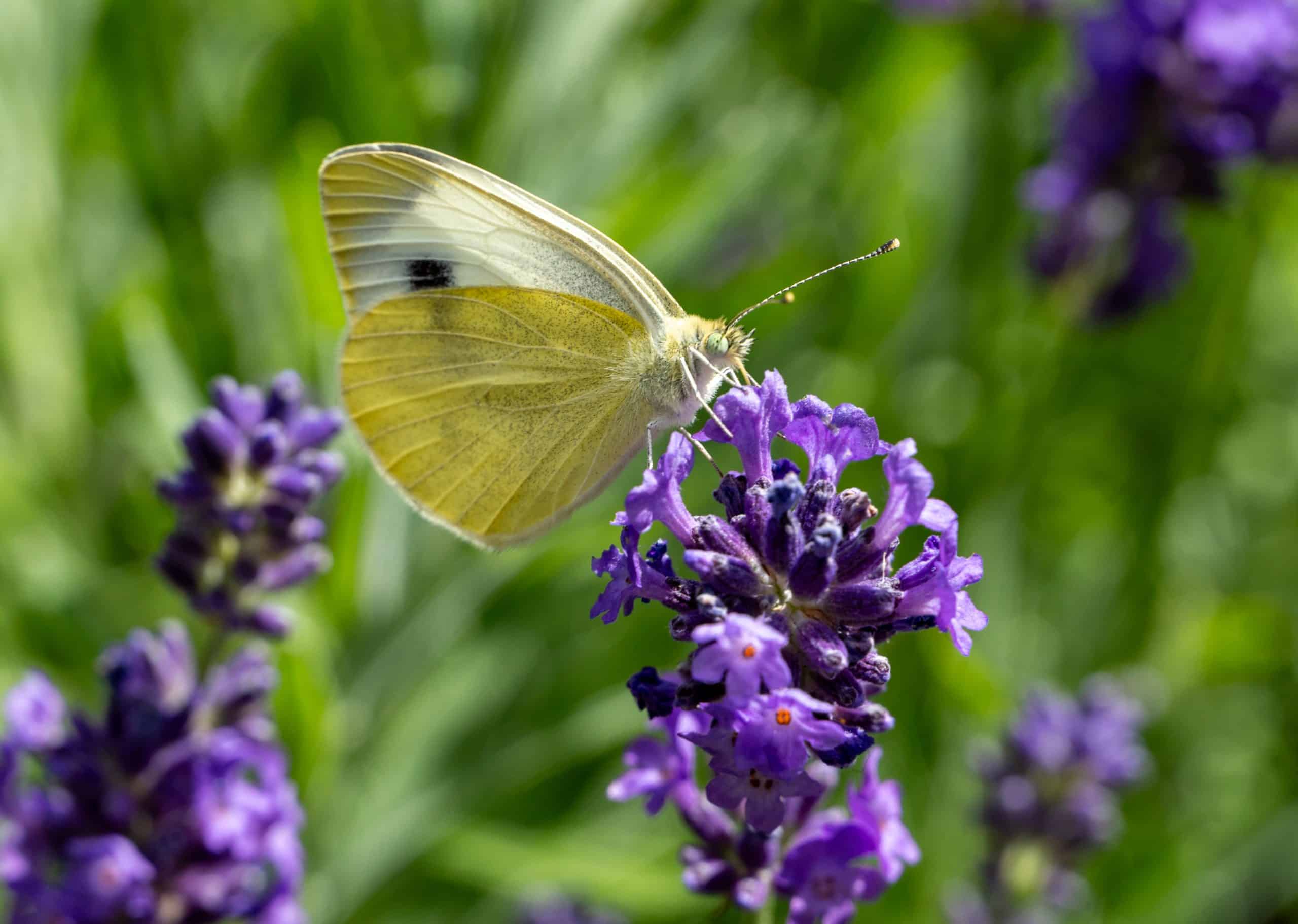
Evergreen plants that still look good don’t have to be pruned. Ferns and ornamental grasses that don’t look that attractive can be cut down to about 10 centimetres above the ground. Remove unattractive leaves from plants like Christmas Rose (Helleborus orientalis) or Elephant-eared Saxifrage (Bergenia). They will then look fresh again. Ivy (Hedera) can be pruned at any time of the year, even with an electric hedge trimmer if necessary. It will grow more densely after pruning. Lavender (Lavandula) should be pruned down to just above the bare woody stems in late March/early April; leaves will emerge on the green shoots.
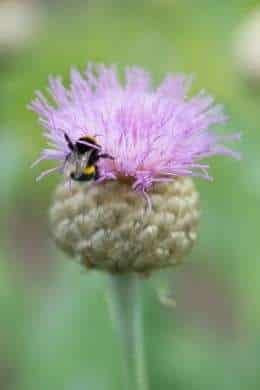
Did you know about summer pruning? Actually, this is a form of deadheading: frequently removing faded flowers encourages the plant to invest its energy in producing new flowers.
Also interesting:
Evergreen plants for endless enjoyment
Edible plants
Perennials for full sun