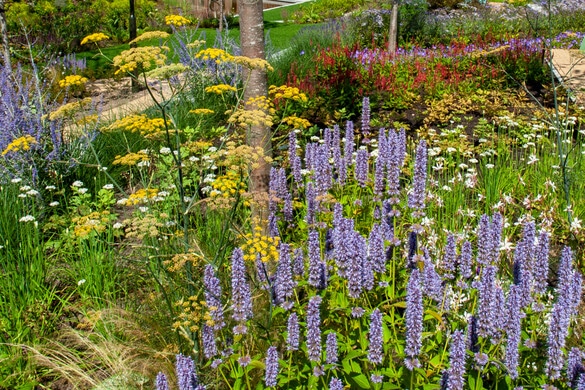

Itching to get out in the garden? Temperatures are rising and the perennials are starting to emerge. Time to roll up your sleeves and get started on pruning, dividing and fertilising. This will keep your perennial border in tip-top condition.
Pruning
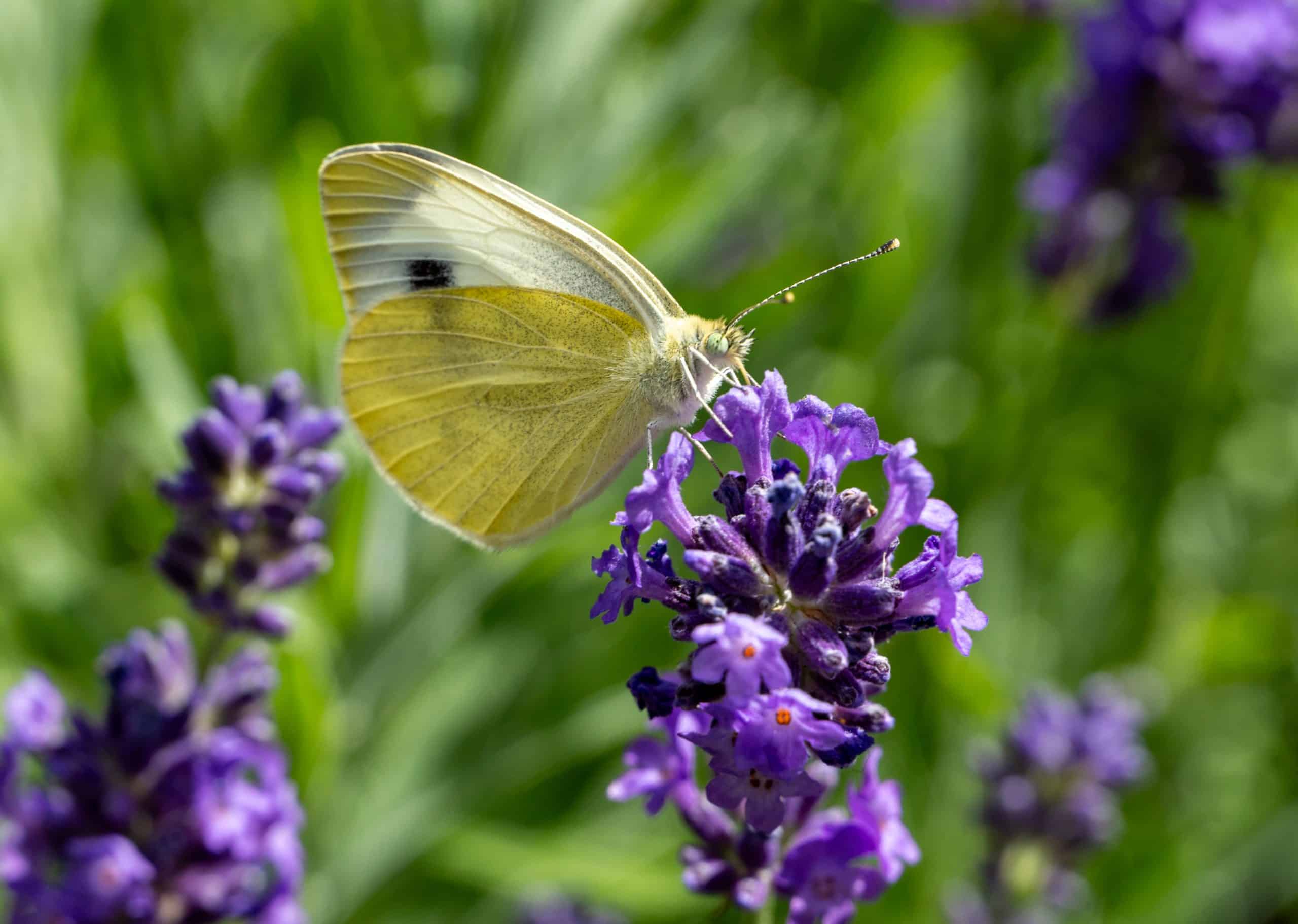
Perennials need light and space to grow and expand. This is why pruning is so important. Using a pair of clean sharp pruning or hedging shears, start trimming away the dead parts of evergreen plants early in March (or when the risk of frost is past). Prune back ferns and ornamental grasses to about ten centimetres above the ground. Lavender (Lavandula) can be pruned back to just above the old (bare) wood at the end of March or early April. This plant will produce offshoots on last year’s growth.
Dividing plants
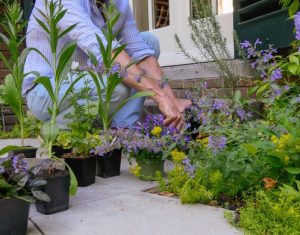
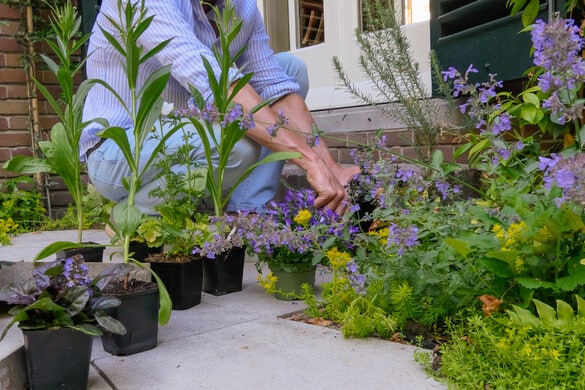
March and April are the best months to deal with plants that have grown too large and are taking up too much space. To do this, dig the plants out and then separate them into pieces using your hands, a knife, pruning shears or a spade. This is called dividing. Then plant these pieces wherever you want. The old lifeless centre of the original plant can be put onto the compost pile or disposed of as biowaste. Remember that perennials that flower early in the spring like Lungwort (Pulmonaria) should not be divided until after they flower. Dividing them earlier would sap too much of their energy.
Fertilising
Finally, spring is the perfect time to fertilise. You can choose from various kinds of organic fertilisers. The minerals they contain will ensure nice healthy perennials. When you prune, divide and fertilise the perennials in a border, they will reward you with beautiful displays year after year. Stems and leaves will decompose on their own and enrich the soil, so simply allow them to do so if possible. The best time to apply fertiliser is when rain has been predicted. Another solution is to sprinkle the border immediately after fertilising.


Also interesting:
Pruning perennials: why, when and how
Lavender: more life in your garden
Autumn? Make it wonderful with perennials