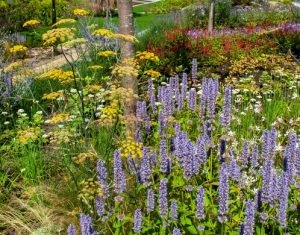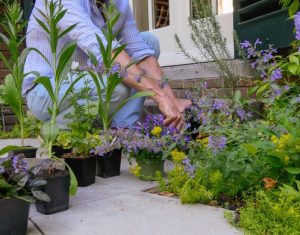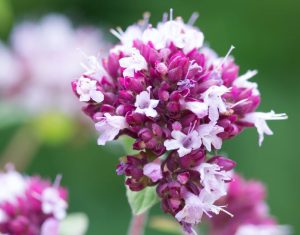
In the urban environment where space for housing, work and leisure activities compete with each other, living roofs are gaining in popularity. Rooftops offer a perfect opportunity to use perennials for increasing the percentage of green space and also for responding to climate change.
Pleasant
Including perennials in a living roof contributes not only to making our environment greener but also to capturing rainwater and providing a cooling effect. Since plants absorb and then transpire water, they contribute to better water management. An area covered with more plants keeps the ambient temperature lower and reduces the heat-island effect. Using perennials in this way contributes to residential and work locations which are sustainable and pleasant living environments.
Facts about living roofs
- Intensively planted living roofs provide the greatest amount of water retention (up to 85% of the annual precipitation).
- Having plants on buildings improves insulation and reduces energy consumption.
- A living roof can extend the useful life of a roof by 20 or more years.
- Having perennials on roofs contributes to urban biodiversity.
Substrate depth
The substrate depth determines how intensively a living roof can be planted. A thin layer of substrate (up to 15 centimetres) will support only drought-tolerant varieties while a much thicker layer of substrate will support a more varied range of plants. But these are just the two extremes. Many cities already have some amazing living roofs or even living parks on their buildings and infrastructures.
Plant varieties
It’s always important to put the right plant in the right place. On a living roof, factors such as substrate depth and whether the plants will be walked on or not will have to be considered. Here are just some plants that will both thrive when planted in thinner substrates in the full sun and serve as effective groundcovers:
- Campanula (creeping varieties of bellflower)
- Dryas (mountain avens)
- Festuca (fescue)
- Linum perenne (flax)
- Sedum (sedum)
- Sempervivum (houseleek)
- Veronica repens (creeping speedwell)
Plants suitable for living roofs with a deeper substrate are usually the same as ones planted in private and public gardens. In most rooftop locations, they will also have to tolerate full sun and harsh winds.


Also interesting:
Perennials have ways of tolerating extreme weather
Using perennials in cemeteries