
From September through November, the garden is at its most atmospheric and, at the same time, wonderfully practical for gardeners. While nature is slowly winding down, this is actually the ideal moment to start working with perennials. By planting, pruning and maintaining wisely now, you lay the foundation for a garden that will come back next year even stronger, more beautiful and more colourful.
September: the ideal month for planting perennials
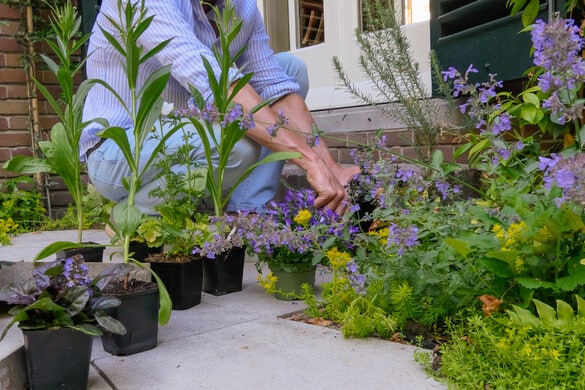
Perennials are real powerhouses: they return year after year, grow stronger and give you a garden that blooms for months and is full of life. September is the perfect time to plant. Why?
- The soil is still warm, so roots can develop quickly.
- There is regular rainfall, which means less watering.
- Plants have plenty of time to root before spring, so they get off to a flying start.
The result? A garden filled with strong, healthy perennials that burst into growth full of energy when the new season begins.
Practical tip: Plant the root ball generously and press the soil down lightly.
Smart autumn pruning? Sometimes
Whether you prune in autumn depends on the plant and on your garden style. Some perennials can already be cut back, while others, such as ornamental grasses or plants with attractive seed heads, are best left standing all winter.
Prune in autumn
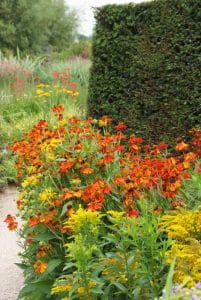
- Plants that have completely died back and collapsed, such as hostas (Hosta), sneezeweed (Helenium), autumn asters (Aster), coneflower (Rudbeckia), joe‑pye weed (Eupatorium) and knotweed (Persicaria amplexicaulis).
- Plants that are prone to fungal diseases if they stay too wet, such as garden phlox (Phlox paniculata), bee balm (Monarda), peonies (Paeonia), delphiniums (Delphinium) and the leafy stems of lavender (Lavandula).
Cut dead stems back to around 10 cm above soil level so that the heart of the plant remains protected.
Better left until spring
- Ornamental grasses such as fountain grass (Pennisetum), maiden grass (Miscanthus) or moor grass (Molinia).
- Perennials with decorative seed heads such as Jerusalem sage (Phlomis) or stonecrop (Sedum).
- Perennials that give the garden structure in winter.
These plants provide a beautiful winter silhouette and offer valuable hiding places for insects.
Tip: Not sure what to do? Leave the plant as it is. In spring you can simply cut away the dead parts as soon as the new shoots appear.
Easy maintenance for a healthy, sustainable garden
Perennials are naturally low‑maintenance, and that is one of their greatest advantages. A little autumn care, however, makes them even stronger.
- Divide and renew: splitting for fresh energy
Many perennials appreciate being divided every few years. This is especially true for favourites such as cranesbill (Geranium), asters (Aster), sneezeweed (Helenium) and lady’s mantle (Alchemilla).
- Lift the plant carefully with a spade.
- Divide it into several sections.
- Replant the strongest, healthiest parts.
This keeps the plant fresh, compact and vigorous.
- Weeds? Easy to remove now
Because perennials are going into dormancy, unwanted plants stand out more clearly and can be pulled out easily, roots and all.
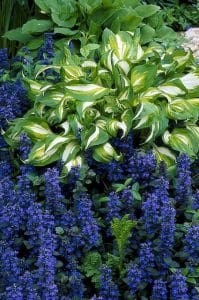
This is also the perfect moment to plant ground‑covering perennials. By giving a place now to species such as barren strawberry (Waldsteinia), periwinkle (Vinca) or bugleweed (Ajuga), they can settle in before winter. In spring they form a dense, strong carpet that gives weeds hardly any chance and fills your borders with fresh green foliage.
- Create a light, nutritious soil
By applying a layer of compost in autumn, you improve soil structure and support soil life. A healthy soil equals healthy perennials.
Compost makes the soil more open, helps it retain moisture for longer and releases nutrients slowly, exactly when plants start growing again in spring.
- Watering: less than you might think
Newly planted perennials do need some water, but thanks to autumn rains they often need far less than spring plantings.
Simply check whether the soil is becoming too dry. When you water, give a generous drink in one go rather than frequent small amounts, so that the roots are encouraged to grow down deeper.
A garden that keeps flowering, next year too
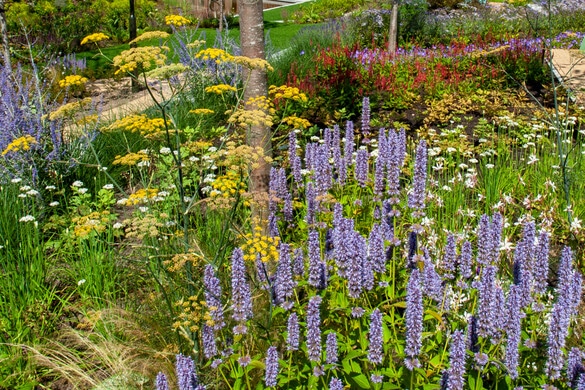
By choosing perennials, you opt for ease, sustainability and long‑lasting colour. Planting now and doing a little smart pruning and maintenance means you will enjoy fresh growth and months of colour in spring.
Whether you prefer a natural, relaxed garden or a sleek, modern border, there is always a mix of perennials that suits your style.
You might also be interested in:
- Keeping up the good work: these plants will flower well into autumn. – Perennial Power
- Perennials, for a beautiful autumn and winter garden – Perennial Power
- Ornamental grasses: silhouettes in the garden – Perennial Power